

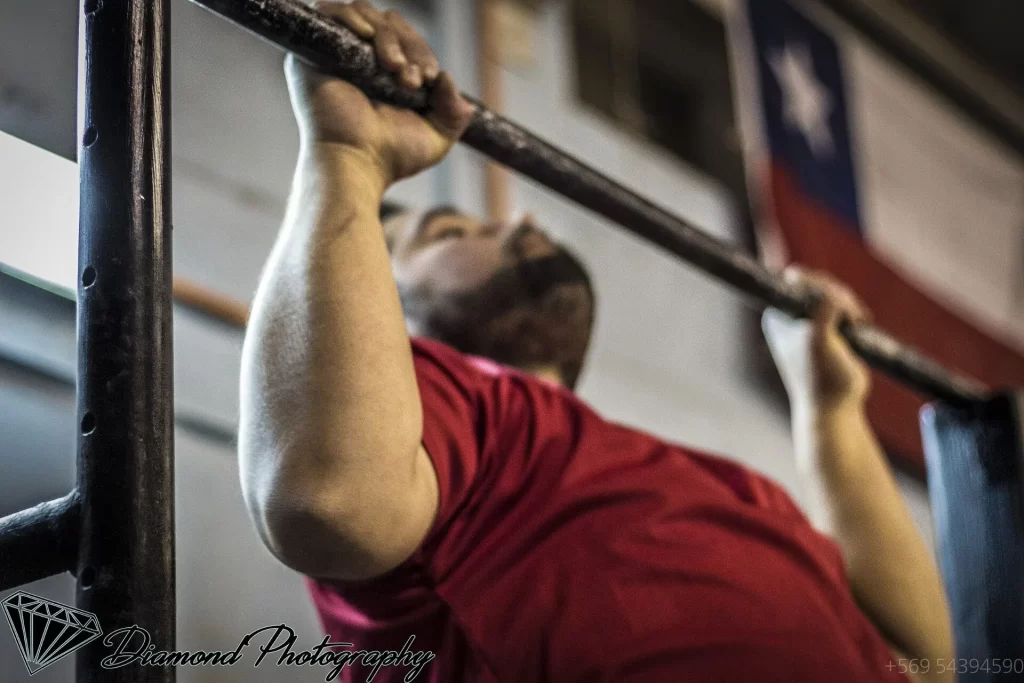
The 4-day upper/lower split is arguably the most efficient training structure for men who want to build muscle. It hits each muscle group twice per week (the optimal frequency according to research), allows enough volume per session, and leaves 3 days for recovery. It’s the sweet spot between the beginner’s 3-day full-body routine and the advanced 5-6 day splits.
This guide gives you a complete, ready-to-run 4-day program — exercises, sets, reps, rest periods, and progression rules. No guesswork required.
The Weekly Schedule
| Day | Session | Focus |
|---|---|---|
| Monday | Upper A | Heavy push + pull, chest/back emphasis |
| Tuesday | Lower A | Heavy squats, quads, hamstrings, core |
| Wednesday | REST | Recovery, light walking, stretching |
| Thursday | Upper B | Moderate weight, higher reps, shoulders/arms |
| Friday | Lower B | Deadlift focus, posterior chain, calves |
| Saturday | REST | Active recovery or light cardio |
| Sunday | REST | Full rest |
Session 1: Upper A (Heavy)
Focus on heavy compound movements with lower reps. This is your strength day for the upper body.
| Exercise | Sets | Reps | Rest |
|---|---|---|---|
| Bench Press (barbell or dumbbell) | 4 | 6-8 | 2 min |
| Bent-Over Barbell Row | 4 | 6-8 | 2 min |
| Overhead Press (barbell or dumbbell) | 3 | 8-10 | 90 sec |
| Weighted Pull-Ups or Lat Pulldowns | 3 | 8-10 | 90 sec |
| Dips (chest version) | 3 | 10-12 | 60 sec |
| Barbell Curl | 3 | 10-12 | 60 sec |
| Plank Hold | 3 | 45-60 sec | 45 sec |
At-home modification: Replace bench press with decline push-ups, bent-over rows with inverted rows or backpack rows, overhead press with pike push-ups, pull-ups with a doorway bar, and dips using a chair.
Session 2: Lower A (Heavy)
Heavy squat focus. This is the session that builds the foundation of lower body strength and size.
| Exercise | Sets | Reps | Rest |
|---|---|---|---|
| Barbell Back Squat (or Goblet Squat) | 4 | 6-8 | 2 min |
| Romanian Deadlift (dumbbell or barbell) | 4 | 8-10 | 90 sec |
| Bulgarian Split Squats | 3 | 10-12 per leg | 90 sec |
| Leg Press or Bodyweight Step-Ups | 3 | 12-15 | 60 sec |
| Hanging Leg Raises or Leg Raises on Floor | 3 | 12-15 | 60 sec |
| Calf Raises (standing) | 4 | 15-20 | 45 sec |
At-home modification: Replace back squats with bodyweight squats (slow tempo, 3-second descent) or goblet squats with a heavy household item. Replace leg press with walking lunges.
Session 3: Upper B (Hypertrophy)
Moderate weights, higher reps. This session targets muscles from a different angle and creates more metabolic stress for muscle growth.
| Exercise | Sets | Reps | Rest |
|---|---|---|---|
| Incline Dumbbell Press | 4 | 10-12 | 90 sec |
| Seated Cable Row or Dumbbell Row | 4 | 10-12 | 90 sec |
| Lateral Raises (dumbbell) | 3 | 12-15 | 60 sec |
| Face Pulls or Band Pull-Aparts | 3 | 15-20 | 45 sec |
| Triceps Pushdowns or Diamond Push-Ups | 3 | 12-15 | 60 sec |
| Hammer Curls | 3 | 12-15 | 60 sec |
| Hollow Body Hold | 3 | 30-45 sec | 45 sec |
At-home modification: Incline press → pike push-ups. Cable rows → inverted rows with a close grip. Lateral raises → use water bottles or resistance bands. Triceps pushdowns → diamond push-ups.
Session 4: Lower B (Posterior Chain)
Deadlift and hamstring/glute focus. This balances the quad-dominant Lower A session.
| Exercise | Sets | Reps | Rest |
|---|---|---|---|
| Deadlift (conventional or Romanian) | 4 | 6-8 | 2-3 min |
| Front Squat or Goblet Squat | 3 | 8-10 | 90 sec |
| Walking Lunges (dumbbell or bodyweight) | 3 | 12-15 per leg | 90 sec |
| Glute Ham Raises or Nordic Curls | 3 | 8-12 | 60 sec |
| Hanging Knee Raises | 3 | 12-15 | 60 sec |
| Seated Calf Raises | 4 | 15-20 | 45 sec |
At-home modification: Deadlift → single-leg Romanian deadlift or heavy backpack hinge. Nordic curls → slide your feet on a smooth floor while lowering from a kneeling position. Glute ham raises → glute bridges (3 sets of 15-20 reps).
If the program is solid and the scale is not moving, the cause is usually somewhere else. Our ten common reasons men stop gaining muscle starts with recovery and calories.
Progression: How to Keep Growing
The program only works if you progressively overload your muscles. Follow these rules:
Rule 1: Add Weight Weekly
Aim to add the smallest possible increment (2.5-5 lbs) to your main lifts each week. If you can’t add weight, add a rep. If you can’t add a rep, add a set. Something must improve.
Rule 2: Track Everything
Write down every exercise, weight, set, and rep in a notebook or app. You can’t progress if you don’t know what you did last week. This is the single biggest difference between men who make progress and men who spin their wheels.
Rule 3: Deload Every 6-8 Weeks
Every 6-8 weeks, take a deload week: reduce all weights by 40-50% and cut sets by one-third. This gives your joints, nervous system, and muscles a chance to fully recover. After the deload, return to your previous weights — you’ll often find you’re stronger.
Rule 4: Rotate Exercises Every 8-12 Weeks
Sticking with the same exercises forever leads to staleness. After 8-12 weeks, swap one or two exercises for similar alternatives (e.g., barbell bench → dumbbell bench, back squat → front squat). This gives slightly different stimulus to muscles and prevents pattern overload.
Nutrition to Support This Program
A 4-day training program demands proper nutrition to recover and grow:
- Protein: 0.8-1.0g per pound of body weight per day (160-200g for a 200 lb man)
- Calories: 250-500 above maintenance for muscle growth
- Carbs: Prioritize around training — eat your carbs 1-2 hours before and within 2 hours after training
- Water: 3-4 liters per day, more on training days
Without adequate protein and calories, this program will make you stronger but not bigger. For more detail, see our protein intake guide and calorie calculation guide.
What Results to Expect
With consistent training and proper nutrition:
- Weeks 1-4: Mostly neural adaptations — you’ll get stronger quickly as your nervous system learns to recruit more muscle fibers
- Weeks 5-12: Visible muscle growth begins. You may add 2-4 lbs of muscle in the first 3 months (more if you’re a true beginner)
- Months 3-6: Noticeable changes in the mirror. Clothes fit differently. Others start commenting
- Months 6-12: Your “newbie gains” slow down. Progress continues but at a slower rate. This is normal — muscle growth is a long game
Run It, Then Run It Again
The programme is not the variable worth optimising. One sensible split run for twelve weeks with logged sets beats a new plan every month.
Track the numbers, deload every six to eight weeks, and rotate exercises only when progress genuinely stalls. The mirror changes on that timeline, not on the week you start.
This content is for informational purposes only and does not constitute medical advice. Always consult a healthcare professional before starting any exercise program. Use proper form and start with lighter weights to learn each movement safely.
Photo: Gerardo Aguilera, CC BY 3.0, via Wikimedia Commons
This is exactly the structure I was looking for — I kept seeing ‘upper/lower 4-day’ mentioned everywhere with no actual schedule. One question: I only have dumbbells, no barbell. Can I run Upper A and Lower A with the listed alternatives (goblet squat, dumbbell bench) or is that too much of a downgrade?
Dumbbells work fine — I ran this exact split with nothing but a pair of adjustable dumbbells and a bench for 6 months and still added strength. Just keep the rep ranges honest: when you hit the top of the range on every set, move up in weight. The 2-minute rests on heavy days matter more than people think.
Tried this after a year of bro-style 5-day splits. Two weeks in and the difference is mostly mental — I actually look forward to training instead of dreading leg day on day 4. The Wednesday rest is non-negotiable for me now.
Six weeks on the upper/lower split and my bench is up 10kg — and I’ve stopped skipping legs because they’re never ‘their own day’ anymore. Hits everything twice a week like the article says.
Nice work on the bench. Ten kilos in six weeks is exactly what this split is designed for — enjoy it while those early gains last, then the progression rules in the guide will carry you.