

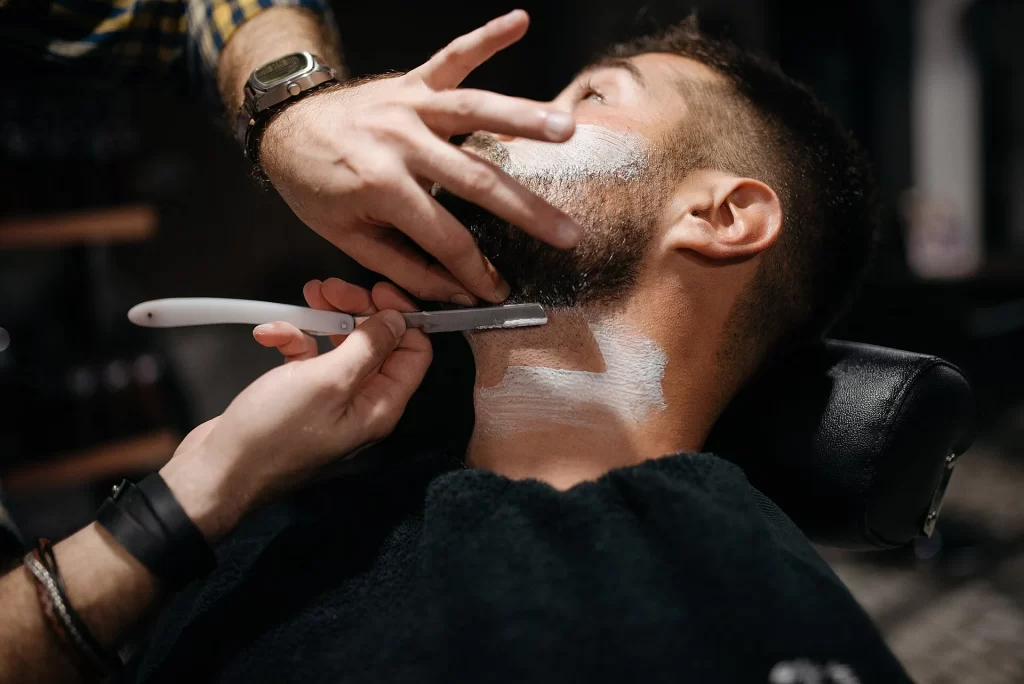
Beard growth is primarily determined by genetics and hormones — specifically testosterone and DHT. You can’t change your genetics, but you can optimize the factors that influence how fast and thick your beard grows. Here’s what actually works.
1. Optimize Testosterone Through Lifestyle
Beard growth is driven by DHT, a derivative of testosterone. While testosterone levels are largely genetic, certain lifestyle factors can help maintain healthy levels:
- Exercise regularly: Resistance training 3-4 times per week can support healthy testosterone levels
- Sleep 7-9 hours: Most testosterone is produced during sleep. Inadequate sleep directly lowers testosterone
- Manage stress: Chronic stress elevates cortisol, which can suppress testosterone production
- Maintain a healthy body fat percentage: Excess body fat increases the enzyme aromatase, which converts testosterone to estrogen
- Get enough zinc: Zinc deficiency is linked to low testosterone. Eat oysters, pumpkin seeds, and beef, or consider a zinc supplement
2. Eat a Nutrient-Dense Diet
Hair follicles need specific nutrients to produce hair:
- Biotin (B7): Found in eggs, nuts, and sweet potatoes. A deficiency can cause hair thinning
- Vitamins A, C, and E: These support skin and follicle health. Eat colorful vegetables and fruits
- Protein: Hair is made of keratin. Adequate protein intake provides the building blocks
- Omega-3 fatty acids: Support skin health and reduce inflammation that can impede follicle function
3. Keep the Skin Underneath Healthy
Beard hair grows from follicles in the skin. If the skin beneath your beard is dry, flaky, or inflamed, growth is impaired:
- Wash regularly: Use a dedicated beard wash (not regular shampoo or body wash) 2-3 times per week to remove dead skin and oil buildup
- Exfoliate weekly: Use a gentle face scrub in the beard area to prevent ingrown hairs and keep follicles clear
- Moisturize with beard oil: Jojoba oil, argan oil, and castor oil hydrate skin and hair, creating an optimal environment for growth
4. Try Minoxidil (With Caution)
Minoxidil (Rogaine) is FDA-approved for scalp hair loss, but many men use it off-label for beard growth. Research from a 2016 study in the Journal of Dermatology showed that 5% minoxidil applied to the face twice daily for 16 weeks significantly improved beard growth in men with patchy beards.
If you try minoxidil, be aware: it requires months of consistent use, results vary by individual, and any new hair may fall out if you stop using it. Consult a dermatologist before starting.
5. Be Patient
Beard hair grows at an average rate of 0.5 inches per month. A full beard takes 2-4 months of uninterrupted growth. Many men give up at the 2-3 week mark when it looks patchy and feels itchy. Push through this phase — most beards fill in significantly by week 6-8.
The Truth About Beard Growth
No supplement, oil, or cream will give you a beard your genetics won’t support. If your father or grandfathers have full beards, you likely will too. If they don’t, you may have slower growth or patchy coverage. That’s okay — not every man can grow a full beard, and there’s nothing wrong with that.
Focus on what you can control: health, nutrition, skin care, and patience. For beard maintenance once you have one, see our beard grooming guide.
This content is for informational purposes only and does not constitute medical advice. Consult a dermatologist before using minoxidil or if you experience unusual hair loss or skin reactions.
Photo: Nenad Stojkovic, CC BY 2.0, via Wikimedia Commons
Quick question about the biotin part — the article says a deficiency causes thinning, but how much should I actually take? I’ve seen everything from 2500mcg to 10000mcg online and it’s kinda all over the place. Also, does it actually help if you’re not deficient? Tbh my diet is pretty average so I wouldn’t be surprised if I’m low on something.
Fwiw I tried minoxidil on my beard about a year ago and it did work for me, but you gotta be patient. First 2 months I saw basically nothing and almost quit. Started noticing new hairs around month 3, and by month 4 my cheeks were way fuller. The shedding phase in the first month is real too — don’t panic when that happens. Went from patchy cheeks to something I’m actually proud of.
Anyone else experiment with zinc supplementation specifically for beard growth? The article mentions zinc deficiency is linked to low T, but I’m curious if anyone has actually seen a difference in their beard from adding zinc. Been taking 15mg a day for about a month and can’t really tell if it’s doing anything or if I’m just imagining it lol.
No offense but I think the patience section is the most underrated part of this whole article. I tried everything — minoxidil, biotin, dermarolling, every supplement under the sun — and at the end of the day, the thing that made the biggest difference was just letting it grow for 3 months without trimming. Genetics is like 90% of it. The rest helps, but don’t expect miracles. Good that the article is honest about that.
3 month update here. Started lifting 4x a week and fixed my sleep schedule (was getting like 5 hours, now 7-8) and my beard is definitely filling in. The patches on my cheeks aren’t completely gone but they’re way less noticeable. No magic pill, just the basics like the article says. 💪 Gonna keep at it for another 3 months and see where I’m at.