

How to Trim Your Beard
Step 1: Comb It Out
Always start with a dry, clean beard. Comb through to remove tangles and make all hairs lie in the same direction. This reveals the true length and any uneven spots — which matters more than the trimmer itself.
Step 2: Set Your Guard Length
Choose a guard length one size longer than your target. You can always go shorter, but you can’t undo going too short. For a medium beard I would start at 6mm (1/4 inch) and work down from there.
Step 3: Trim With the Grain
Move the trimmer in the direction of hair growth (usually downward on cheeks, downward on the neck). Go against the grain only if you want to remove length aggressively. Use smooth, overlapping passes — that is how I keep the shape even instead of choppy.
Step 4: Define the Neckline
This is where most men go wrong. The neckline should sit just above the Adam’s apple — about two finger-widths above. If you trim too high, you’ll have a “neckbeard” look. If you trim too low, the beard looks sloppy. The neckline should form a gentle U-shape from ear to ear. I treat this line as the highest-value part of the whole routine.
Step 5: Define the Cheek Line
Your natural cheek line is usually fine. If you have stragglers above the natural line, trim them — but don’t create a harsh, straight line. A slightly natural, uneven line looks better than a ruler-straight one, which is why I never chase the line with a razor.
Step 6: Clean Up Strays
Use scissors to trim any individual hairs that stick out beyond the general shape. Comb the beard down and snip anything that extends past the comb. It is slow work, and I would rather do it in good light than rush it.
Step 7: Shape the Mustache
Trim the mustache so it doesn’t hang over your upper lip. Use scissors for precision. Comb it to the sides and trim any hairs extending beyond the corners of your mouth. I keep the mustache the most conservative part of the trim, because mistakes there are the most visible.
The Daily Routine
This is the whole routine I run, stripped of anything that does not earn its place.
- Morning: Rinse with water, comb through, apply 3-5 drops of beard oil (more for longer beards), comb to distribute, style with balm if needed
- Evening: Wash with beard wash (2-3 times per week, not daily), apply beard oil before bed
How to Choose Beard Oil
Beard oil serves two purposes: moisturizing the skin beneath (preventing itch and flaking) and conditioning the hair itself. Look for:
- Carrier oils: Jojoba (closest to human sebum), argan, sweet almond, or grapeseed oil
- Avoid: Mineral oil, artificial fragrances, silicones
- Optional essential oils: Cedarwood, sandalwood, or tea tree for scent and antimicrobial properties
DIY option: Mix 1 tablespoon jojoba oil + 1 tablespoon argan oil + 3-5 drops cedarwood essential oil. Same quality as commercial beard oil for a fraction of the cost. This is the mix I would start with if you want to test the idea before buying anything.
Common Beard Grooming Mistakes
- Trimming a wet beard: Hair is longer when wet. You’ll cut more than intended. Always trim dry.
- Washing too often: Daily washing with regular soap strips oils. Use beard wash 2-3 times per week.
- Skip the oil: The skin under your beard needs moisture. Without it, you get “beardruff” (flaking) and itchiness.
- Neglect the neck: The neck is part of the beard. Trim and maintain it like the rest.
- Over-trimming: Trim every 1-2 weeks, not daily. Frequent trimming prevents the beard from reaching its potential length.
The Number Is Five Minutes
Five minutes a day and a fifteen-minute trim every one to two weeks. That is the entire maintenance load I run, and it is the difference between an intentional beard and a neglected one.
Put the trim on the calendar instead of waiting until it looks bad. A beard reads as unkempt in weeks, not months, and I would rather schedule it than rely on noticing it in the mirror.
If trimming keeps leaving you with ingrown hairs, persistent redness or patches of hair loss, treat that as a dermatologist’s question rather than a technique problem. It is the one thing here I would not try to fix myself.
If you are comparing two beard oils at different prices and sizes, the cost per use calculator turns that into a single number per week rather than a price on a shelf.
If you experience persistent skin irritation, ingrown hairs, or infections under your beard, consult a dermatologist.
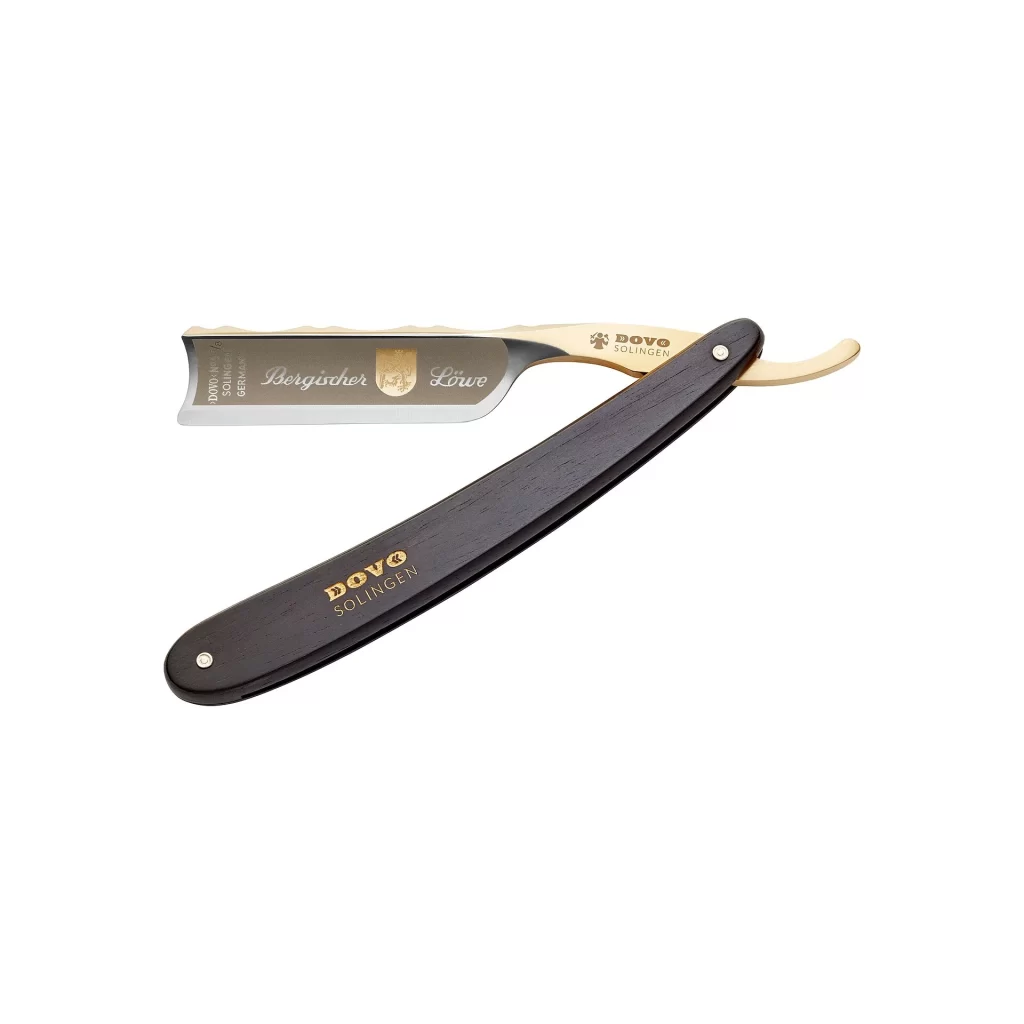
Photo: SneRet, CC BY-SA 4.0, via Wikimedia Commons
[…] Keep the neckline and cheek line clean, because stray hairs blur your beard’s outline and make thin areas look worse. The trimming fundamentals are covered in our beard grooming guide. […]