


If your beard grows in islands instead of a solid frame, you have probably tried everything: shaving it off to “reset” it, buying a growth oil that smelled like a forest, and taking biotin because someone on the internet said so. None of it worked, and there is a reason. Patchy growth is mostly about follicles and timing, not effort. I have sorted the seven methods that genuinely change how a patchy beard looks from the two that actually have clinical evidence behind new growth, and I have kept a separate section for the signs that yours is a medical issue rather than a grooming one.
First, Understand Why Your Beard Is Patchy
Beard density is decided by three things: how many follicles you have in each zone, how sensitive those follicles are to androgens such as DHT, and how long they have had to mature. That last one matters more than most men realize. Facial hair development often continues into the late twenties, which is why a beard that looked thin at 21 can fill in at 28 without any intervention. I put this first because it decides whether you should be buying anything at all.
There is also a real medical category here. A review of beard hair loss published in a peer-reviewed dermatology journal describes a condition called alopecia barbae, an autoimmune problem in which the body attacks beard follicles and leaves smooth, circular bald patches, often appearing suddenly in an otherwise normal beard. That pattern is not a grooming problem and it does not respond to beard oil. It needs a dermatologist, and no product I could recommend would change that.
One myth out of the way, because it comes up more than any other: shaving does not make hair grow back thicker, darker, or faster. It only makes the blunt tip of a cut hair feel coarser for a few days. If shaving changed density, every bald man on earth would have solved his problem by now. My guide to stopping hair loss naturally covers what actually influences follicle behavior.
1. Give It Time, Then Track It
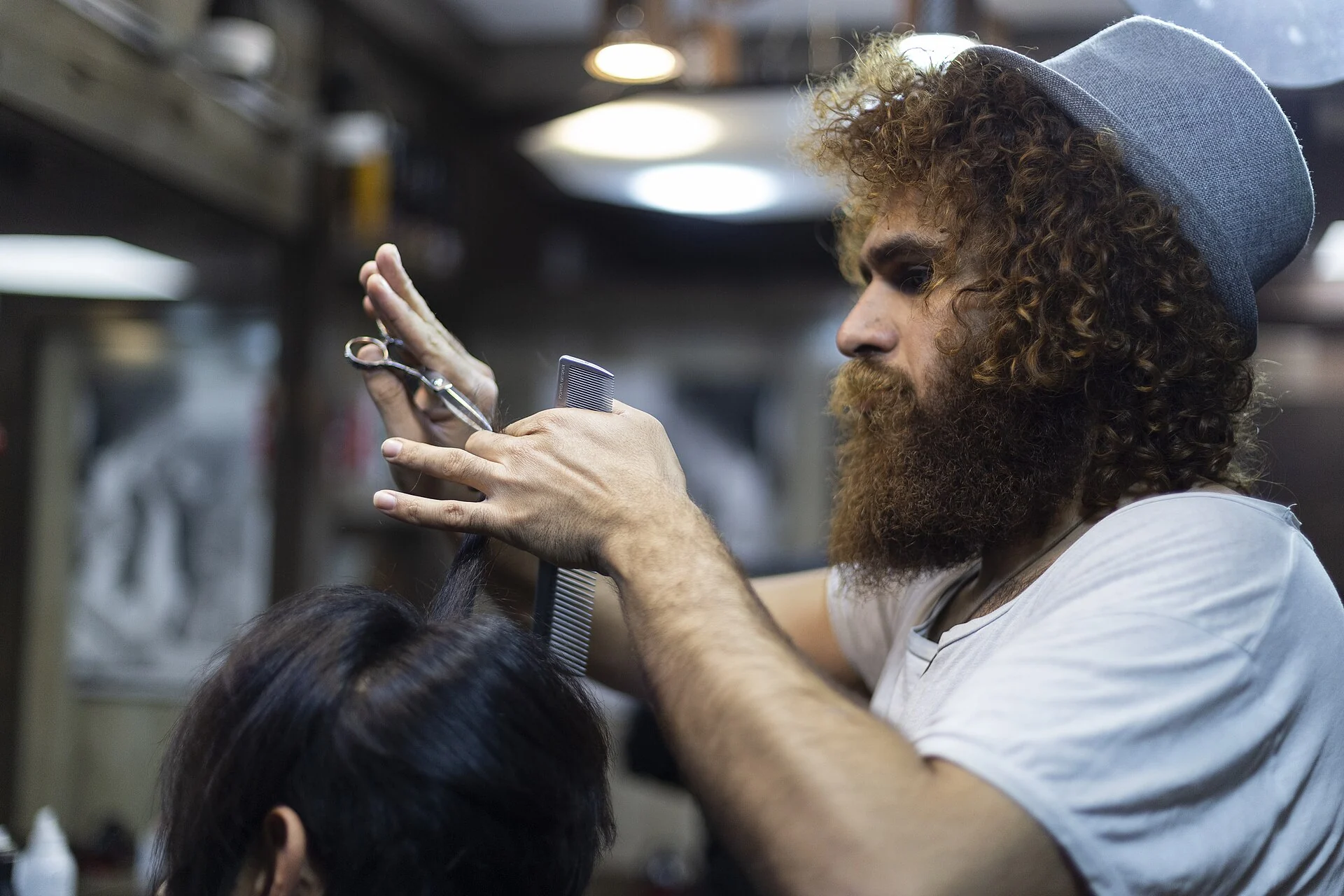
If you are under 30 and the pattern is stable and even, patience is a legitimate strategy rather than a cop-out. Take a photo in good light every three months. Men who fix patchy beards by “doing nothing” are usually just men whose follicles finished maturing. If the photos show no change across a year, move on to the methods below rather than waiting indefinitely.
2. Trim to Hide the Gaps, Not to Grow Hair
A shorter beard is a denser-looking beard. The reason is simple: when hair is longer, gaps widen and light passes between strands; when it is kept short, the same number of hairs covers more visual area. If you have patchy cheeks with a strong chin, keep the cheeks at a heavy stubble length and let the stronger zones run slightly longer. That contrast reads as intentional styling instead of accidental gaps.
Keep the neckline and cheek line clean, because stray hairs blur your beard’s outline and make thin areas look worse. The trimming fundamentals are covered in my beard grooming guide.
If I could only give you one instruction from this whole article, it would be this one. Trimming the cheeks short and letting the stronger zones run longer takes ten minutes, costs nothing, and does more for a patchy beard than anything you can buy.
3. Fix the Lines Before You Blame the Growth
Two line mistakes sabotage otherwise solid beards. First, a neckline trimmed too high, which creates the illusion of a double chin and shrinks the visible beard. Set it roughly two fingers above the Adam’s apple, following the natural curve. Second, a cheek line shaved too low, which exposes the thinnest part of your cheek growth. Follow the natural line and clean up only what sits clearly outside it. I would fix the lines before I blamed the growth, because both mistakes are reversible in one sitting.
4. Use Beard Oil for the Right Reason
Beard oil and balm condition the hair you already have and calm the skin underneath. They make a patchy beard look healthier and feel softer, and they reduce the wiry, transparent look that thin beards often have. What they do not do is create new follicles. Buy them for grooming value, not for growth, and your expectations will finally match what the bottle can actually do. If you are building a routine from scratch, the fuller growth tips in my guide to growing a fuller beard pair well with this section.
5. Cover the Lifestyle Levers That Actually Matter
Hair is a non-essential tissue, which means your body deprioritizes it when something important is lacking. That single line is why I put these four above every product in this list. The levers worth checking:
- Protein intake. Hair is protein. Chronic under-eating slows growth, and very low-calorie diets are a common cause of diffuse thinning. My guide to how much protein you need to build muscle gives you a practical target.
- Deficiencies. Iron, zinc, and vitamin D deficiencies are associated with hair problems. Get tested rather than guessing; supplementing when you are not deficient does nothing for your beard.
- Sleep and stress. Both affect the hair cycle. This is not a slogan, it is the reason dermatologists ask about it before treating shedding. If I had to keep one item on this list and drop the rest, it would be this one.
- Aggressive products. Harsh soaps and daily scrubbing irritate the skin your follicles live in. My guide on how often you should wash your hair applies to the face too: less often, with gentler products, is usually better.
6. Skip the Growth Oils and Biotin Hype
Oils marketed as beard growth stimulants are, with rare exceptions, carrier oils such as jojoba, argan, or castor with a label premium. They condition well and grow nothing. Biotin is similarly oversold: it helps only if you are genuinely deficient, which is uncommon in men eating a normal diet. If a product promises new follicles in two weeks, that promise is the product. I would rather you spend nothing here than buy something because a label sounded confident.
7. See a Professional for the Two Evidence-Based Options
There are exactly two interventions with real clinical support for beard growth, and both belong under medical supervision. Topical minoxidil applied to the beard area has been shown in studies to stimulate beard hair growth, with visible response typically taking two to four months of consistent use. Results usually fade if you stop, so it is a commitment rather than a cure. The second option, for confirmed alopecia barbae, is corticosteroid treatment, including injections or high-potency topical steroids, prescribed by a dermatologist. The same review linked above notes that minoxidil is well tolerated and clinically effective for stimulating beard hair growth, while stressing that proper diagnosis comes first.
I am not a doctor, so this is the one section where I hand over to someone who is. Get evaluated if your patches are smooth and completely hairless, appeared suddenly, are perfectly round, or come with patches elsewhere on the body. That combination points to an immune or medical cause, and treating it as a grooming problem wastes months.
Common Mistakes That Keep Your Beard Patchy
- Shaving to “stimulate” growth. Density does not respond to razors.
- Relying on biotin or growth oils. Neither grows hair in a man who is not deficient.
- Trimming the cheeks too low. You end up exposing exactly the area you wanted to conceal.
- Growing it long to compensate. Length exaggerates gaps instead of hiding them.
- Expecting change in two weeks. Even medical treatment takes two to four months to show a visible response.
- Ignoring sudden, smooth patches. That pattern deserves a doctor, not a new oil.
Frequently Asked Questions
Will my patchy beard eventually fill in?
Often, yes, if you are still in your twenties and the pattern is stable and even. Facial hair development can continue into the late twenties. If nothing changes in a year, treat it as your natural pattern and style around it.
Does shaving make beard hair grow back thicker?
No. Shaving only creates a blunt tip that feels coarser for a few days. It does not change follicle count, thickness, or growth rate.
Do beard growth oils work?
They condition existing hair and skin, which improves how a beard looks, but they do not stimulate new growth. There is no clinical evidence that carrier oils grow new beard hair. That is why I recommend them for texture and comfort, and never for density.
Is minoxidil for beard growth safe?
Topical minoxidil has evidence for stimulating beard growth and is generally well tolerated, but it is used off-label for this purpose, results fade when you stop, and it can cause skin irritation. Discuss it with a doctor before starting; an article like this one is not that conversation.
How long does it take to see improvement?
Grooming changes are immediate. Natural maturation takes months to years. Medical treatment such as minoxidil typically shows a visible response in two to four months of consistent use.
What Progress Looks Like, and When
My honest read: most patchiness is a follicle and timing story rather than a product story. Judge it in months, not weeks, and fix the trim while you wait.
- Weeks one to four: the trim, neckline and cheek line change how full the beard reads before any new growth appears.
- Months three to six: density shifts if protein, sleep and stress are genuinely handled.
- If patches are smooth, round and sudden, or if hair is shedding elsewhere too, that is a dermatologist’s question rather than another bottle of oil.
Related posts:
- How to Grow a Beard Faster: Tips for a Fuller Beard
- Beard Grooming 101: How to Trim, Shape and Maintain Your Beard
- How to Stop Hair Loss Naturally: 8 Science-Backed Methods
- How Much Protein Do You Need to Build Muscle?
Disclaimer: This article is for informational purposes only and is not medical advice. Sudden or persistent hair loss, including smooth patches in the beard, can have medical causes that require diagnosis. Consult a qualified dermatologist or healthcare professional before starting any treatment, including topical minoxidil.
Photo: Mostafameraji, CC BY-SA 4.0, via Wikimedia Commons | Photo: Nesnad, CC BY 4.0, via Wikimedia Commons
Solid guide, though I will never be fully convinced shaving does not thicken it up. I shaved my cheeks for a year and they came back noticeably fuller. Probably just coincided with the age thing you mentioned, but the timing was hard to ignore 👀
Reading this at 42 with the same patchy cheeks I had at 25, so the wait until your late twenties advice never really applied to me. The trim it shorter tip did more for me than anything I ever bought, so no complaints, just saying that timeline is not everyone’s story.
How exact is the two fingers above the Adam’s apple thing? Mine sits higher on one side and I always end up with a lopsided neckline. Do you follow the natural curve or keep it level with the floor?
The shorter trim advice is spot on. Went from 20mm down to 6mm and mine looks twice as thick from more than a foot away, which is the only distance anyone ever sees me from anyway.