

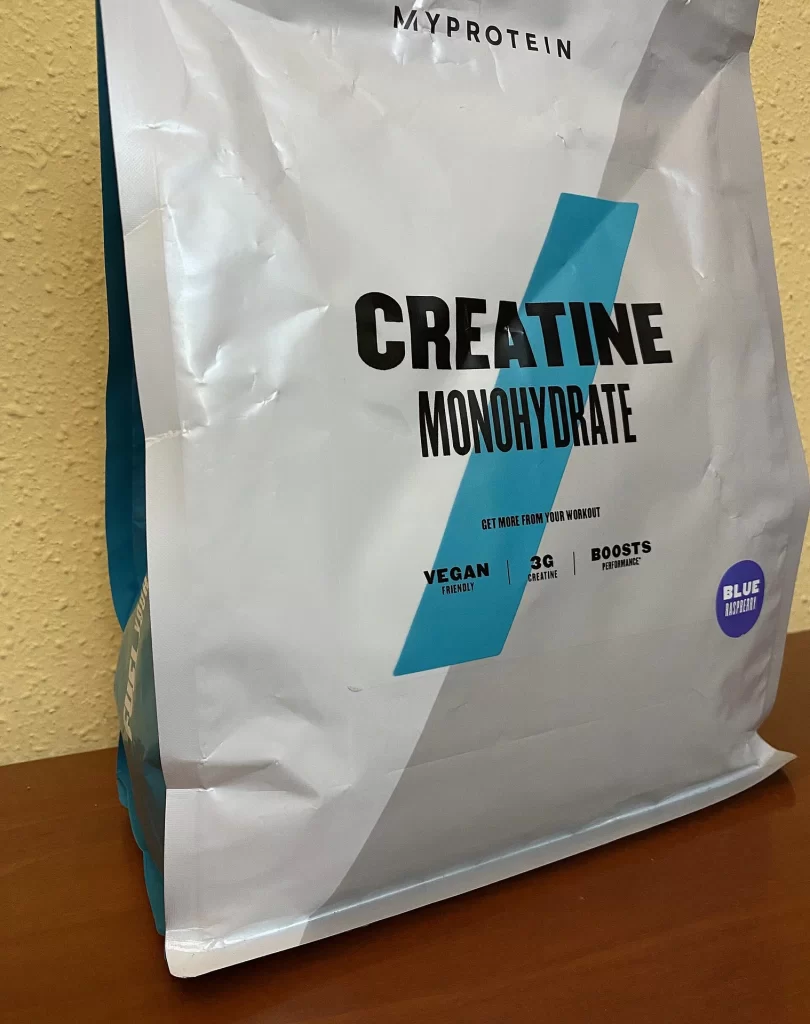
Search “creatine monohydrate vs creatine HCl” and you will find two camps talking past each other. One insists HCl is the upgraded modern form that dissolves instantly, requires no loading, and never bloats you. The other insists monohydrate is the gold standard and everything else is clever marketing. Both camps are partly right, and the real decision is simpler than the argument suggests. By the end of this guide you will know which form is actually worth your money, how much to take, whether loading matters, and the one specific situation in which HCl is genuinely the better buy.
What Actually Differs Between Monohydrate and HCl
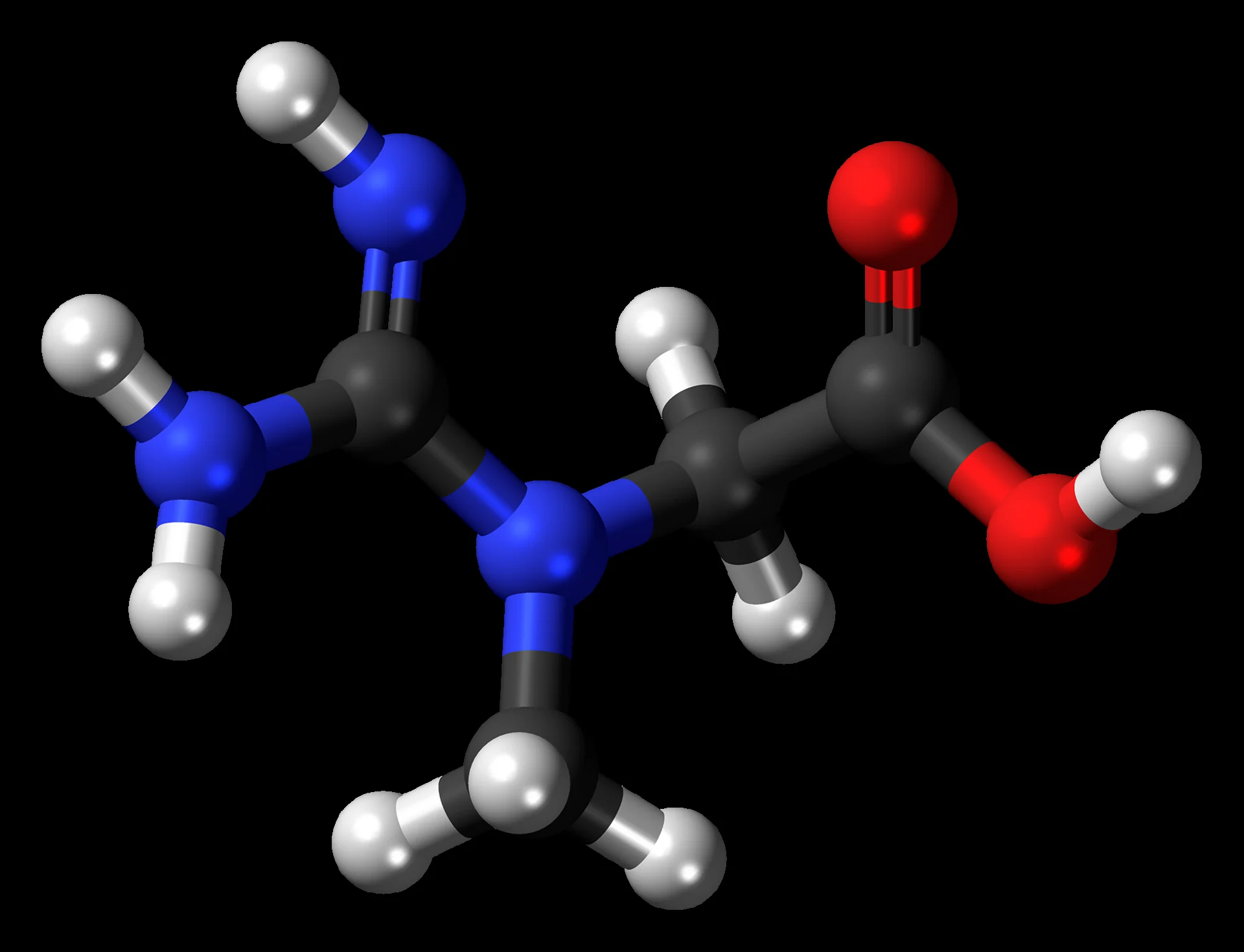
Both forms deliver the same active molecule: creatine. The difference is what it is attached to. Monohydrate binds creatine to a water molecule, which is why it is cheap, stable, and backed by the largest body of research of any sports supplement on the market. Creatine HCl binds creatine to hydrochloric acid, a salt form that dissolves more readily in water. That solubility difference is the entire basis for the “better absorption” claim.
The arithmetic most people miss
Dose for dose, monohydrate delivers more creatine by weight than HCl, because the HCl molecule carries extra mass your muscles cannot use. The smaller scoop on an HCl label is not a bonus, it is compensation. Before you compare prices, compare how much actual creatine you get per serving. The cost per use calculator does that sum for you — enter both prices and both serving sizes and it returns the cost per serving, plus the point at which the dearer option stops being worth it.
The “no loading required” claim, explained
Loading is not a property of HCl. It is simply a faster route to saturation, and saturation is what you are actually buying. At 3 to 5 grams per day, most men reach saturated muscle stores in about three to four weeks. Loading with roughly 20 grams per day, split into four doses, gets you there in five to seven days. Both forms can be loaded the same way. HCl sellers say “no loading needed” because they dose small, not because the molecule made loading obsolete.
What the Research Actually Shows
The International Society of Sports Nutrition reviewed more than 500 studies in its 2017 position stand on creatine and concluded that creatine monohydrate is the most effective ergogenic supplement available for increasing high-intensity exercise capacity and lean body mass during training. That evidence base matters. When two forms behave the same, the one with decades of safety data and a fraction of the cost wins by default.
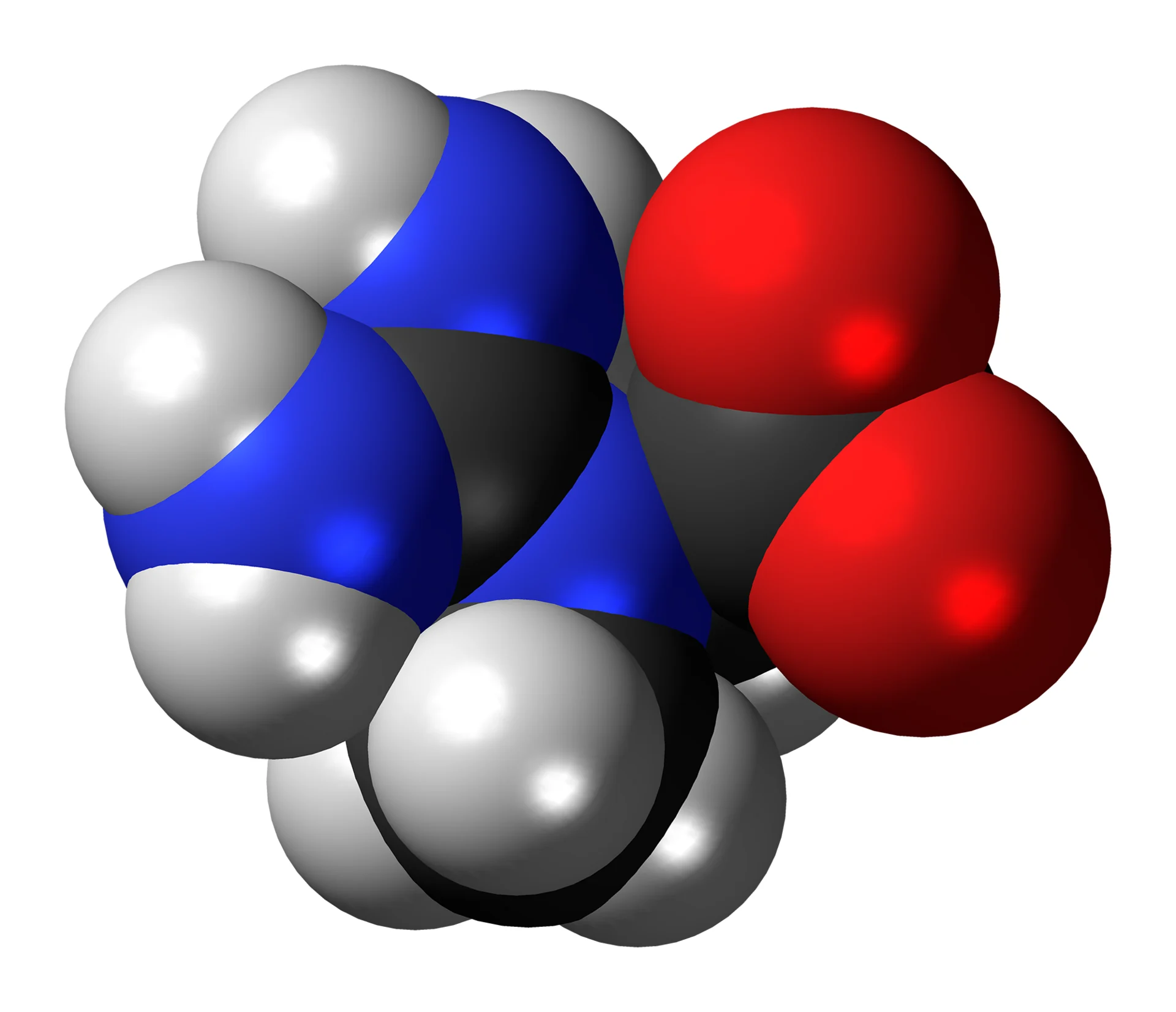
Head to head, the picture is even clearer. A 2025 placebo-controlled, triple-blind trial in elite team-sport athletes compared low doses of monohydrate and HCl and found no statistically significant differences between the groups in strength or body composition. Both creatine groups improved jump performance and fat-free mass compared with placebo. Older comparisons in recreational lifters point the same way. In plain terms, HCl has never been shown to outperform monohydrate when the creatine dose is matched. Its documented advantage is tolerability in a minority of users, not potency.
Who Should Actually Consider HCl
If monohydrate gives you stomach cramps, loose stools, or bloating you cannot live with, you are the person HCl is for. Community threads on r/Creatine are full of men describing this exact pattern: severe stomach pain and diarrhea within the first week of monohydrate, followed by no symptoms after switching to a couple of grams of HCl. It is a real experience, and it is also a minority experience.
Before paying the HCl premium, work through these fixes, because most monohydrate intolerance is dose and delivery, not chemistry:
- Split your daily 3 to 5 grams into two smaller doses.
- Take it with food instead of on an empty stomach.
- Dissolve it fully in warm water, which improves solubility, but do not leave it sitting in hot liquid.
- Try a micronized product, which has finer particles and dissolves more completely.
If none of that works, HCl is a reasonable fallback. Two caveats: it costs noticeably more per gram of creatine, and its long-term safety data is a fraction of what exists for monohydrate. Neither point is a dealbreaker for a healthy man, but both belong in the decision.
From my own years of taking monohydrate, the pattern matches what most guys describe. The only times it ever upset my stomach were the days I swallowed a dry scoop on an empty stomach before training. Three grams stirred into warm water with breakfast has never caused a problem, and it costs a fraction of what HCl sells for.
How to Take Creatine, Whichever Form You Choose
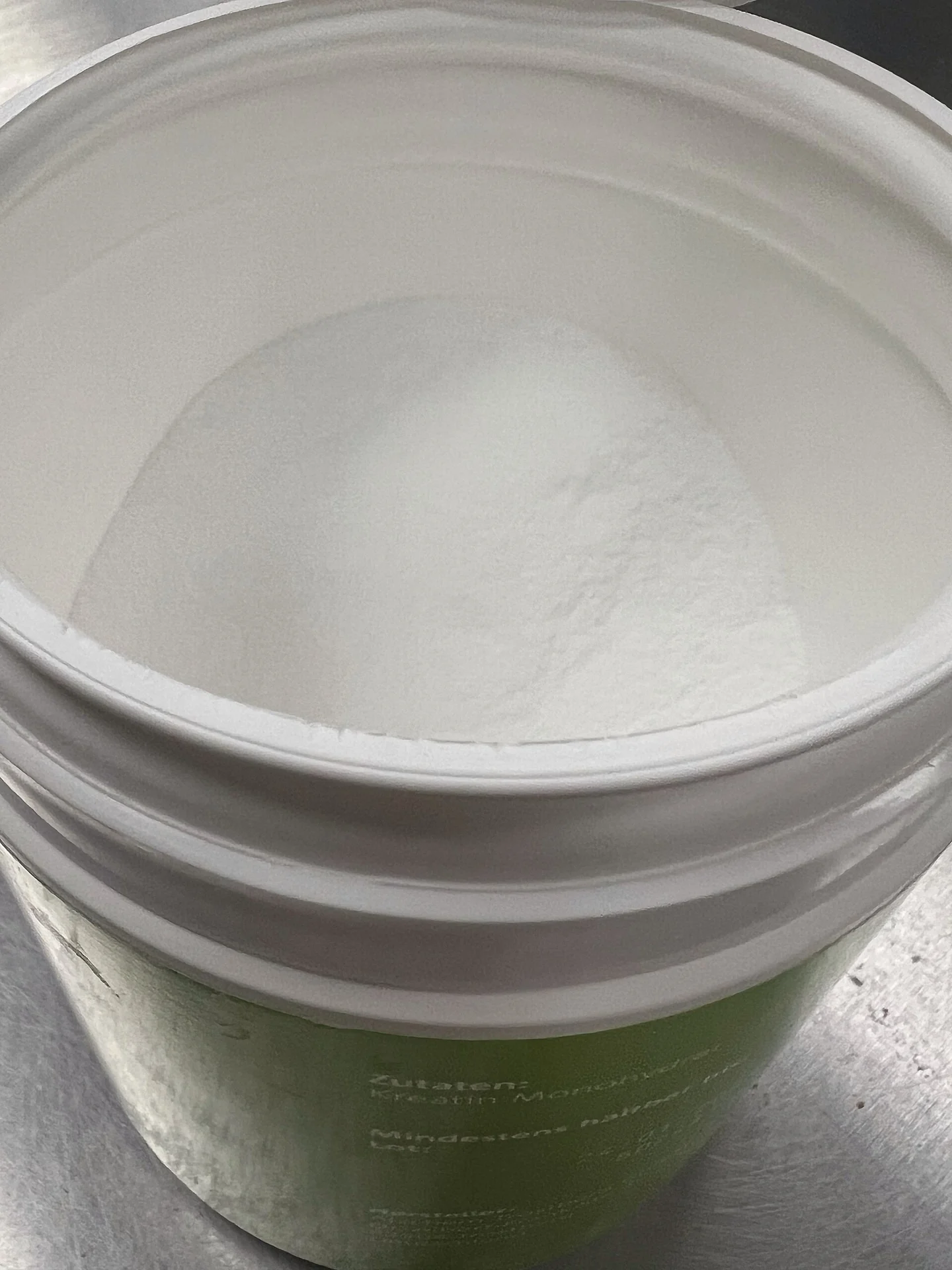
The dose is the same message regardless of form: 3 to 5 grams per day, every day, including rest days. Timing barely matters. What matters is consistency, because creatine works by keeping muscle stores saturated, not by producing an acute effect around your workout. Pairing your dose with a meal that contains carbohydrates and protein slightly improves retention, and adequate water intake is non negotiable. If you want the shortcut, load at 20 grams per day split across four servings for five to seven days, then drop to 3 to 5 grams for maintenance.
If you are stacking creatine into a full plan, our guides to how much protein you need to build muscle and protein timing cover the nutrition side, while the 4-day split workout routine covers the training side.
Common Mistakes That Waste Money and Time
- Paying for a premium form without a reason. If monohydrate sits fine, HCl buys you nothing but a smaller scoop.
- Expecting results in a week. Saturation takes three to four weeks at maintenance doses; strength and volume gains follow.
- Cycling on and off. There is no need to cycle creatine. Stopping simply returns you to baseline over a few weeks.
- Believing the coffee conflict. The caffeine interaction was observed at very high doses. Normal daily coffee does not cancel your creatine.
- Confusing creatinine with kidney damage. Creatine can raise serum creatinine on a blood test without harming kidney function, a documented testing artifact worth mentioning to your doctor.
- Skipping the boring part. Creatine supports training, it does not replace it. If your program is inconsistent, the supplement is not the problem, and our guide to the best supplements for muscle growth explains what actually moves the needle.
Frequently Asked Questions
Is creatine HCl better than monohydrate?
No. Head-to-head trials have not shown HCl to outperform monohydrate for strength or body composition when the creatine dose is matched. HCl’s advantage is stomach tolerability for a minority of users, at a higher price.
Do I need to load creatine?
No. Loading only speeds up saturation. Three to five grams daily reaches the same destination in about three to four weeks.
Will creatine make me bloated?
Some men report bloating or digestive discomfort, usually with large single doses or on an empty stomach. Splitting the dose, taking it with food, and dissolving it in warm water resolves most cases.
Is creatine safe for long-term use?
For healthy adults, monohydrate has an extensive safety record, including studies covering multi-year use. If you have kidney disease or take medication that affects kidney function, speak with your doctor first.
Do I need to cycle or stop taking creatine?
No. There is no evidence that cycling is necessary, and continuous use keeps muscle stores saturated. If you stop, levels simply return to baseline over a few weeks.
The Default, the Dose, the Exception
- Monohydrate is the default: most studied, cheapest, and still unbeaten in head-to-head trials.
- Three to five grams daily, loading optional, taken with food and enough water.
- Choose HCl only if monohydrate still bothers your stomach after you have tried smaller, split, food-paired doses.
Related posts:
- Creatine 101: Benefits, Dosage, Side Effects and How to Use It
- How Much Protein Do You Need to Build Muscle?
- Does Protein Timing Actually Matter?
- Pre-Workout Nutrition: What to Eat Before Training
Disclaimer: This article is for informational purposes only and is not medical advice. Supplements can interact with medications and medical conditions. Consult a qualified healthcare professional before starting any supplement, especially if you have kidney disease, take prescription medication, or are managing a health condition.
Photo: Awkwafaba, CC BY-SA 4.0, via Wikimedia Commons
Fair breakdown, but my experience went the other way. 3g of monohydrate had me doubled over with cramps for a week, and 2g of HCl a day has been completely fine for six months now. Could be the dose, could be the form, but tbh I am not going back to find out.
Same experience here. Splitting my 5g into two 2.5g doses with breakfast and dinner fixed the stomach stuff completely, and that was still monohydrate. Worth trying before you pay double for HCl.
Question for the comment section: has anyone actually noticed the no loading thing making a difference in the first two weeks? I switched to HCl last month and felt stronger by week two, though that could easily be the honeymoon phase talking.
Bookmarked. I have been paying triple for HCl for two years purely on vibes 😅