

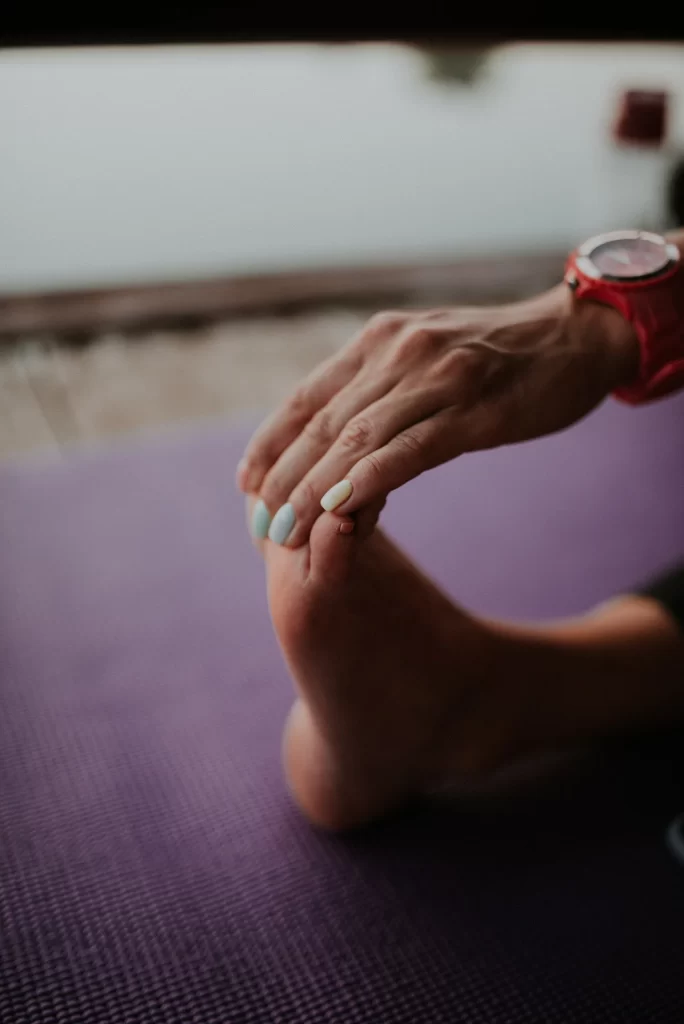
If you’re like most men, your mornings are rushed. Between getting dressed, grabbing coffee, and checking your phone, finding time to exercise feels impossible. But what if you could get an effective full-body workout in just 10 minutes — no gym, no equipment, no excuses? That is the version I hand to anyone who says they have no time, because it removes the excuse rather than the workout.
A 10-minute morning workout won’t turn you into an Olympic athlete overnight. But done consistently, it can boost your energy, sharpen your focus, improve your mood, and build a foundation of fitness that compounds over time. What matters is choosing movements that cover the whole body and ordering them so you never stop moving, which is exactly what I built this routine to do.
Why a Morning Workout Matters
Research consistently shows that morning exercise carries unique benefits. A study published in the British Journal of Nutrition found that exercising in a fasted state can increase fat oxidation. Another study in the Journal of Physiology linked morning exercise to better circadian rhythm regulation, meaning you’ll feel more alert during the day and sleep better at night. I would read these as direction rather than destiny — the effect sizes are modest, but the direction is consistent.
But the biggest advantage is psychological. When you exercise first thing in the morning, you’ve already accomplished something before most people have checked their email. That sense of momentum carries into everything else you do, which is why it comes before anything else in my day that can wait.
The Structure: How 10 Minutes Becomes Effective
This routine uses a circuit format: you’ll perform each exercise for a set time, then move immediately to the next one with minimal rest. This keeps your heart rate elevated, combining the benefits of strength training and cardio in a single short session — the only structure I have found that fits both into ten minutes.
Here’s the breakdown:
- Warm-up: 1 minute
- Main circuit (2 rounds): 8 minutes
- Cool-down: 1 minute
The Full 10-Minute Routine
Warm-Up (1 Minute)
Jumping straight into intense exercise cold is a recipe for injury. Spend one minute warming up your joints and muscles — it is the cheapest insurance in the whole routine, and I do not skip it.
- Arm Circles (30 seconds): Stand with feet shoulder-width apart. Extend your arms to the sides and make small circles, gradually increasing the size. Switch direction halfway through.
- Bodyweight Squats (30 seconds): Do 10-15 slow, controlled bodyweight squats to warm up your hips, knees, and lower back. Keep your chest up and knees tracking over your toes.
Main Circuit — Round 1 (4 Minutes)
Perform each exercise for 40 seconds, then rest for 20 seconds before moving to the next one. Use a phone timer or a free interval app to keep track.
1. Push-Ups
Start in a plank position with hands slightly wider than shoulder-width. Lower your chest toward the floor, keeping your elbows at a 45-degree angle to your body. Push back up explosively.
Beginner modification: Perform push-ups from your knees or against a wall. Advanced: Try explosive push-ups (push up hard enough for your hands to leave the floor briefly).
2. Bodyweight Squats
Stand with feet shoulder-width apart, toes slightly turned out. Push your hips back and bend your knees as if sitting in a chair. Go as low as your mobility allows (aim for thighs parallel to the floor). Drive through your heels to stand back up.
Form tip: Keep your chest up and don’t let your knees collapse inward. If your heels lift off the ground, widen your stance slightly.
3. Mountain Climbers
Start in a plank position (top of a push-up). Drive your right knee toward your chest, then quickly switch legs, alternating as if you’re running in place. Keep your core tight and hips low.
Pace: This is the cardio spike of the routine — move quickly but maintain form. If your hips start rising, slow down. This is the movement I police hardest, because a rushed rep here costs you more than it earns.
4. Reverse Lunges
Stand tall. Step your right foot backward and lower your hips until both knees are at 90-degree angles. Push off your right foot to return to the starting position. Alternate legs each rep.
Why reverse instead of forward? Reverse lunges are easier on the knees and place less stress on the patellar tendon, making them ideal for beginners and those with knee sensitivity. That is why I default to the reverse version in a routine like this.
5. Plank Hold
Get into a forearm plank position. Stack your shoulders over your elbows, squeeze your glutes, brace your core, and hold. Keep a straight line from your head to your heels.
Don’t: Let your hips sag or pike up. If you can’t hold the full 40 seconds, hold as long as you can, rest for 5 seconds, then continue.
Main Circuit — Round 2 (4 Minutes)
Rest for 30-60 seconds after completing Round 1, then repeat the same five exercises for another round. The second round will be harder — that’s normal. Focus on maintaining form rather than speed; if round two forces you to slow down, that is the round working, not failing.
Cool-Down (1 Minute)
- Child’s Pose (30 seconds): Kneel on the floor, sit back on your heels, and reach your arms forward on the floor. Let your forehead rest on the ground. Breathe deeply.
- Standing Forward Fold (30 seconds): Stand up, then bend forward from your hips, letting your arms hang toward the floor. Slightly bend your knees if your hamstrings are tight. This stretches your posterior chain and helps bring your heart rate down.
Tips for Making This a Daily Habit
The workout itself is simple. The real challenge is showing up every morning, and that is the problem worth solving first. Here are proven strategies to make it stick:
1. Set Up the Night Before
Lay out your workout clothes next to your bed. Set your alarm across the room so you have to physically get up to turn it off. Remove every possible barrier between you and the workout.
2. Start With Just 5 Minutes
If 10 minutes feels daunting, commit to just 5 minutes for the first week. Do one round of the circuit instead of two. Once the habit is established, add the second round. Consistency beats intensity — always. Five minutes you actually do beats twenty you skip, and that trade is not close.
3. Track Your Streak
Use a simple wall calendar and mark an X for each day you complete the routine. After a few days, you’ll have a chain you won’t want to break. This “don’t break the chain” method was popularized by Jerry Seinfeld and is surprisingly effective.
4. Do It Before Coffee
It’s tempting to say “I’ll exercise after my coffee.” But coffee time turns into email time, which turns into “I’m too busy now.” Get the workout done first. You’ll enjoy your coffee that much more, and keeping it that way is deliberate on my part.
How to Progress Over Time
Once you can complete two full rounds without stopping, it’s time to increase the challenge. The order below is how I would progress — add volume before you add difficulty.
- Add a third round: Go from 10 to 15 minutes. This is the simplest way to increase volume.
- Increase work intervals: Change from 40 seconds on / 20 seconds rest to 45 seconds on / 15 seconds rest.
- Add difficulty: Try harder variations — decline push-ups, jump squats, or single-leg lunges.
- Add resistance: If you have dumbbells or a kettlebell, hold them during squats and lunges.
Common Mistakes to Avoid
Skipping the Warm-Up
One minute feels like nothing, but it matters. Cold muscles and joints are more prone to injury. Those 60 seconds of arm circles and squats prepare your body for the work ahead. On a rushed morning, this is the last thing I would cut.
Sacrificing Form for Speed
During mountain climbers especially, it’s easy to get sloppy when your heart rate spikes. A sloppy mountain climber with a piking lower back isn’t a workout — it’s an injury waiting to happen. Always prioritize form over rep count; a rep you cannot control is not training in my book.
Going Too Hard on Day One
If you haven’t exercised in months, two full rounds might leave you sore for days. Start with one round, master the form, then add the second round when you’re ready. There’s no race — the goal is showing up tomorrow, not setting a personal record today, and that is the trade I would make every single time.
What Kind of Results Can You Expect?
Be realistic. A 10-minute bodyweight routine won’t add 20 pounds of muscle or get you shredded. But here’s what it will do with consistency — and I would rather under-promise here than have you quit in week three:
- Weeks 1-2: Better morning energy, improved mobility, slight increase in push-up and squat capacity
- Weeks 3-4: Noticeably firmer muscles, better posture, easier to climb stairs or carry groceries
- Weeks 5-8: Visible muscle tone improvement, habit becomes automatic, you’ll feel “off” on days you skip
The real transformation isn’t physical — it’s the confidence that comes from proving to yourself that you can show up every day. Once morning exercise is a habit, expanding to longer workouts becomes natural. This 10-minute routine is the on-ramp, not the destination, and I would keep it in your week long after you outgrow it.
Tomorrow Morning, Not Monday
Ten minutes, five bodyweight movements, no equipment. The routine is not the hard part; the start is.
- Lay your clothes out tonight and set the alarm ten minutes earlier.
- Run the five movements once through, even at half effort.
- Repeat tomorrow, and treat the third session as non-negotiable.
One week of that is worth more than a perfect plan you begin next month.
This content is for informational purposes only and does not constitute medical advice. Always consult a healthcare professional before starting any exercise program. If you experience pain, dizziness, or discomfort during exercise, stop immediately and seek medical attention.
Photo: Shixart1985, CC BY 2.0, via Wikimedia Commons
Honest question: I only have about 15 minutes before work. Is it better to cut the 20-second rests in half and keep both rounds, or drop to one round and spend more time on the cool-down? The no-equipment angle is what sold me — no bench space in my apartment.
Two months in and the win wasn’t strength, it was actually showing up. One tweak that helped me a lot: slowing the reverse lunges down (3 seconds down, no bouncing) made my glutes feel it way more than adding a third round ever did. If you plateau, try slower negatives before you add volume.
The “don’t break the chain” calendar trick got me to day 19 without missing once. Cheers for that.