

Most closets are heavy in the middle and empty at the edges. Men accumulate T-shirts, then find out they own no shoes that pass a dress code. No outer layer that is not a hoodie. Nothing to wear between the shirt and the coat. Those three gaps cause more bad outfits than any bad shirt ever will. These are the wardrobe essentials men actually replace nothing else with, ordered by what each one solves rather than by price.
What Each Item Solves, in One Table
| Item | The scenario you cannot get into without it | The substitute that only half works |
|---|---|---|
| Leather shoes | Interview, wedding, funeral, any restaurant with a host | Clean sneakers get you in the door, not the room |
| A real belt | Any tucked shirt, from Monday to a wedding | No belt, so the shirt rides up all day |
| Dark trousers | Dinner, client meeting, funeral, no suit required | Jeans, which fail about a third of these |
| One dark jean | Friday office, a bar, a flight | Light washed denim with a fade down the thigh |
| Heavyweight tee | A warm day where you still want to look deliberate | A 140 gsm undershirt that shows through |
| One collared shirt | Anywhere a T-shirt is too little | Short-sleeve dress shirts and loud patterns |
| A mid-layer knit | 10 to 15 degrees, indoor to outdoor, all day | A hoodie, which adds bulk and no warmth per layer |
| A structured layer | The event where a suit is too much and a shirt too little | A puffer jacket over a collared shirt |
| A wool overcoat | Every day from November to March | A sporty puffer, which caps the outfit at casual |
| One signature scent | Any conversation held inside two feet | A generic body spray, applied at the wrong moment |
1. One Pair of Leather Shoes Decides Whether You Ever Look Hired
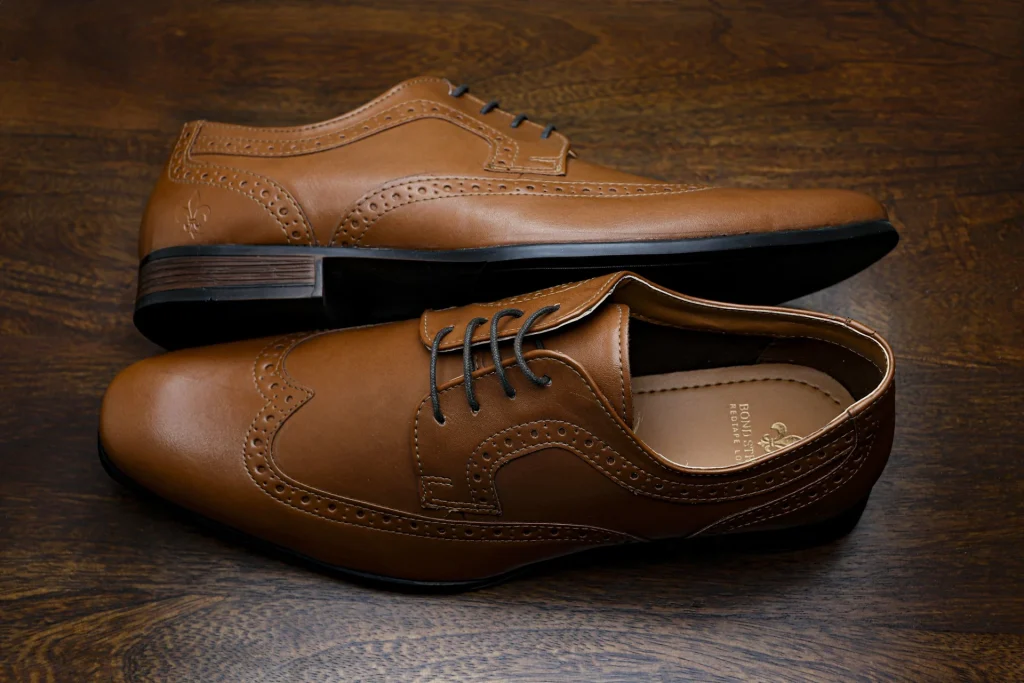
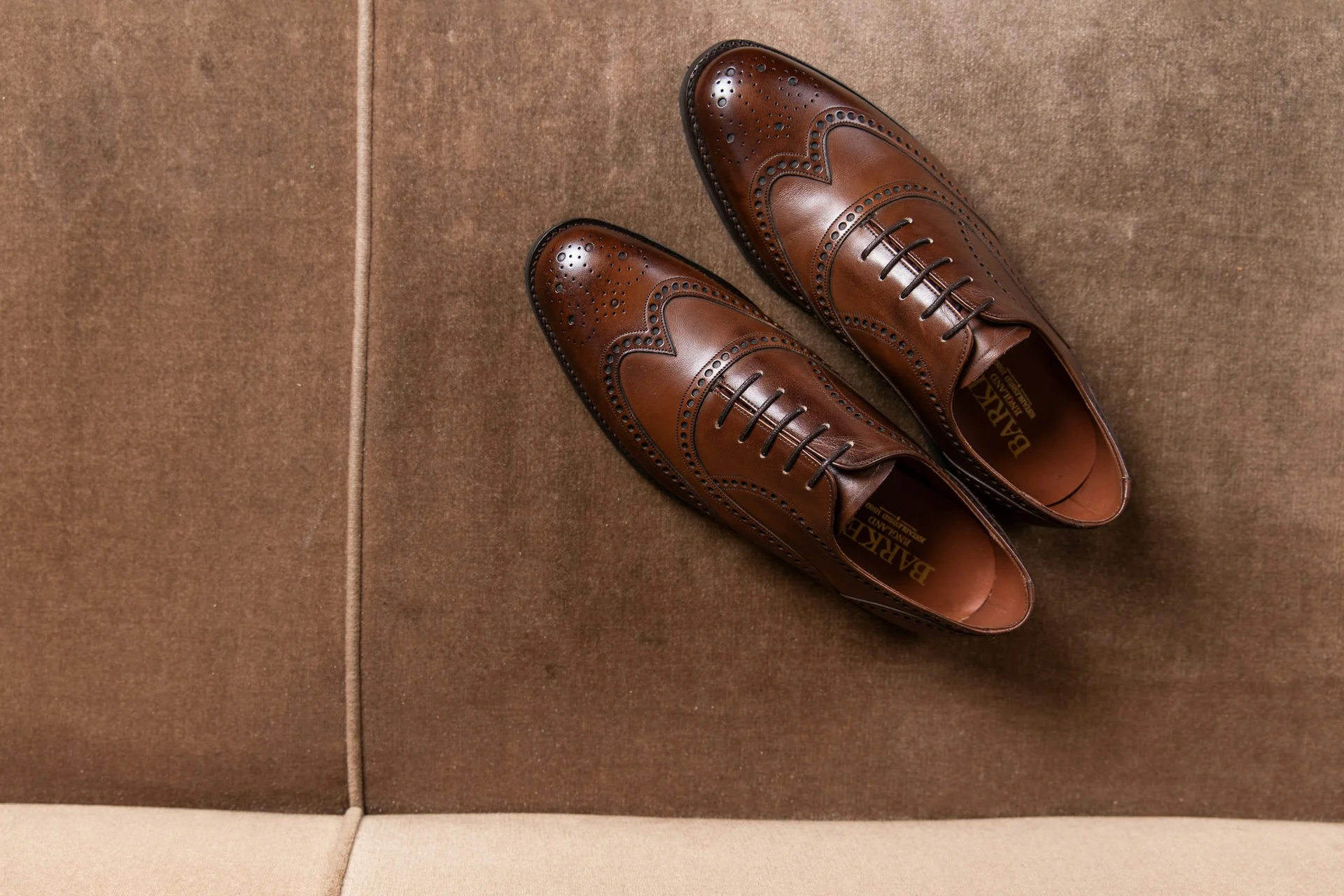
Leather shoes gate more rooms than anything else you can buy. Interviews, weddings, funerals, and any restaurant where somebody seats you. Nothing in your closet replaces them, because the substitute is not a different shoe, it is a different impression.
Buy one plain-toe derby or loafer in dark brown. Round toe, no square toe, leather or rubber sole depending on your weather. Dark brown covers navy, charcoal and gray trousers, which is three outfits from one purchase.
2. The Belt Is the Line Between Tucked and Unfinished
A belt is not decoration. It is the piece that makes a tucked shirt look deliberate rather than accidental. That is why a missing belt shows up in every photo where the shirt balloons at the waist.
One brown leather belt about 3 cm wide, matching your shoes within a shade. That is the whole rule. Webbing belts and logo buckles stay with jeans.
3. Dark Trousers Do the Job a Suit Used to Do
Navy or charcoal trousers in wool or a heavy cotton twill reach the places a suit reaches without the suit. A dinner, a client meeting, a funeral, an evening event nobody explained the dress code for.
This item replaces the most outfits, which is why it sits third and not tenth. Hem them with no break or a half break so the shoe stays visible. The wider logic of a small wardrobe is in our 30-piece minimalist wardrobe breakdown.
4. One Dark Jean Covers Everything a Jogger Cannot
A dark indigo jean with no distressing works at a Friday office, a bar and a flight. Joggers work at exactly one of those places, and light washed denim with a fade down the thigh reads young in the wrong way past 30.
Look for 12 to 14 oz denim, straight or slim-straight, dark enough that it looks black indoors. Buy one pair and stop.
5. A Heavyweight T-Shirt Is a Layer, Not Underwear
Fabric weight decides whether a T-shirt can stand alone. A 180 to 220 gsm cotton tee holds its shape, hides what is underneath and keeps a collar that survives washing. A 140 gsm tee is an undershirt with ambitions, and it shows every outline in daylight.
Two colors are enough: white and a dark neutral. Check that the shoulder seam lands on the shoulder point, not two centimeters past it.
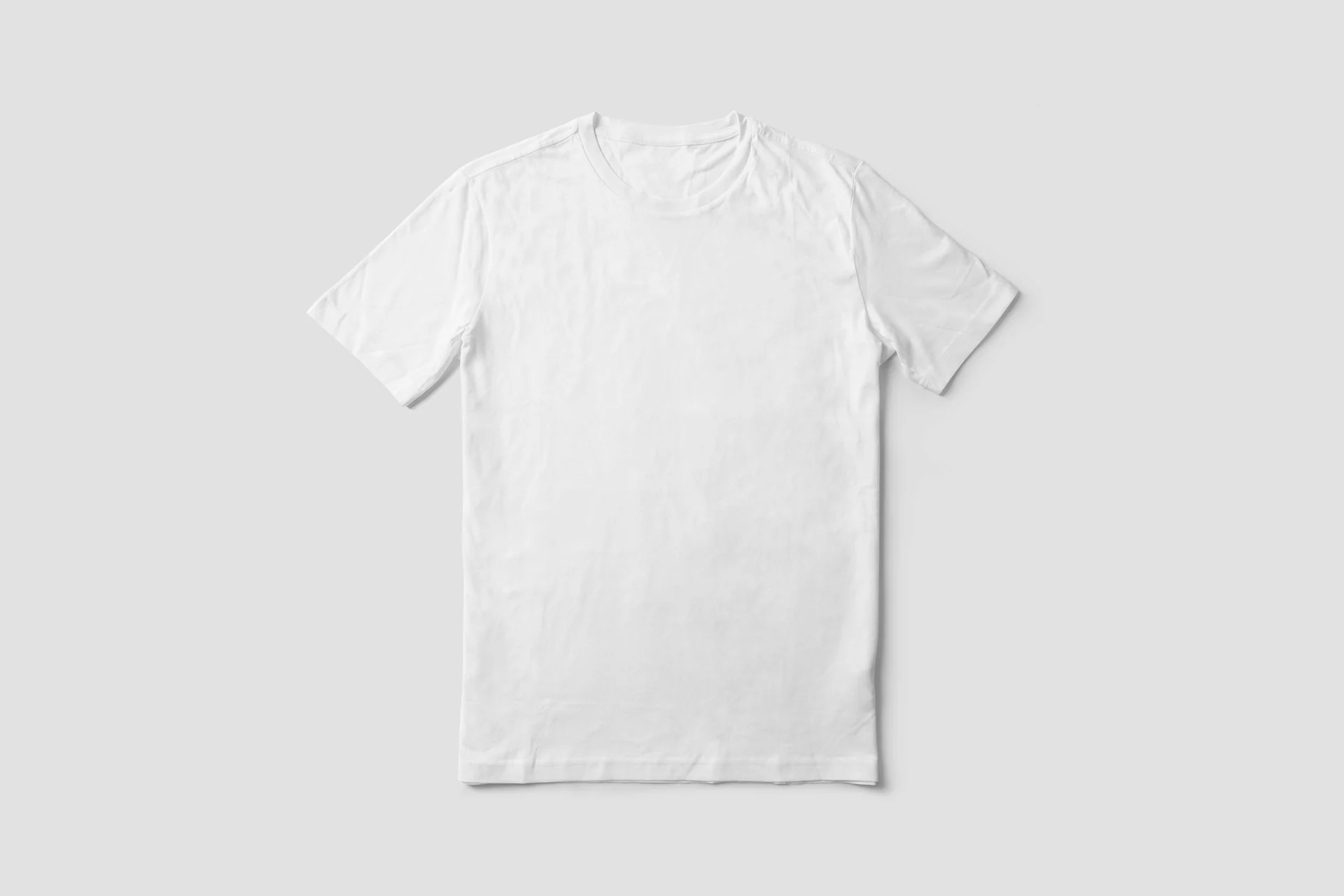
The tee is the piece men buy most often and get wrong most often. We worked out the specs worth paying for in our white t-shirt guide.
6. One Collared Shirt Hides a Bad Haircut and a Late Night
A collared shirt solves the mornings where a T-shirt is too little and a jacket is too much. An oxford in white or light blue beats anything patterned, because it works with jeans, chinos and wool trousers on the same day.
The collar is the part that matters. If it collapses against your neck, the shirt looks borrowed. Skip short-sleeve dress shirts entirely; they read as a uniform from one specific decade.
7. The Missing Mid-Layer Is Why Outfits Look Flat
Between your shirt and your coat there should be a knit. A merino crew neck or half-zip in navy, charcoal or oatmeal at 200 to 250 gsm adds warmth without bulk. It is the layer that makes an outfit look built rather than assembled.
Most men skip straight from a T-shirt to a jacket, because the knit was never in the closet. Fine merino does not itch, and a 200 to 250 gsm knit works indoors at 20 degrees without making you sweat.
8. One Structured Layer Turns Jeans Into an Outfit
An unstructured blazer or a cotton twill overshirt fixes one specific party. The one where a suit is too much and a shirt alone is too little. The shoulders give the outfit a line, which is exactly what a hoodie cannot do.
Navy or olive, cotton or a wool blend, one button. Check that the shoulder seam sits on your shoulder point and the sleeve ends at the wrist bone.
9. Your Winter Coat Is the Only Thing People See for Four Months
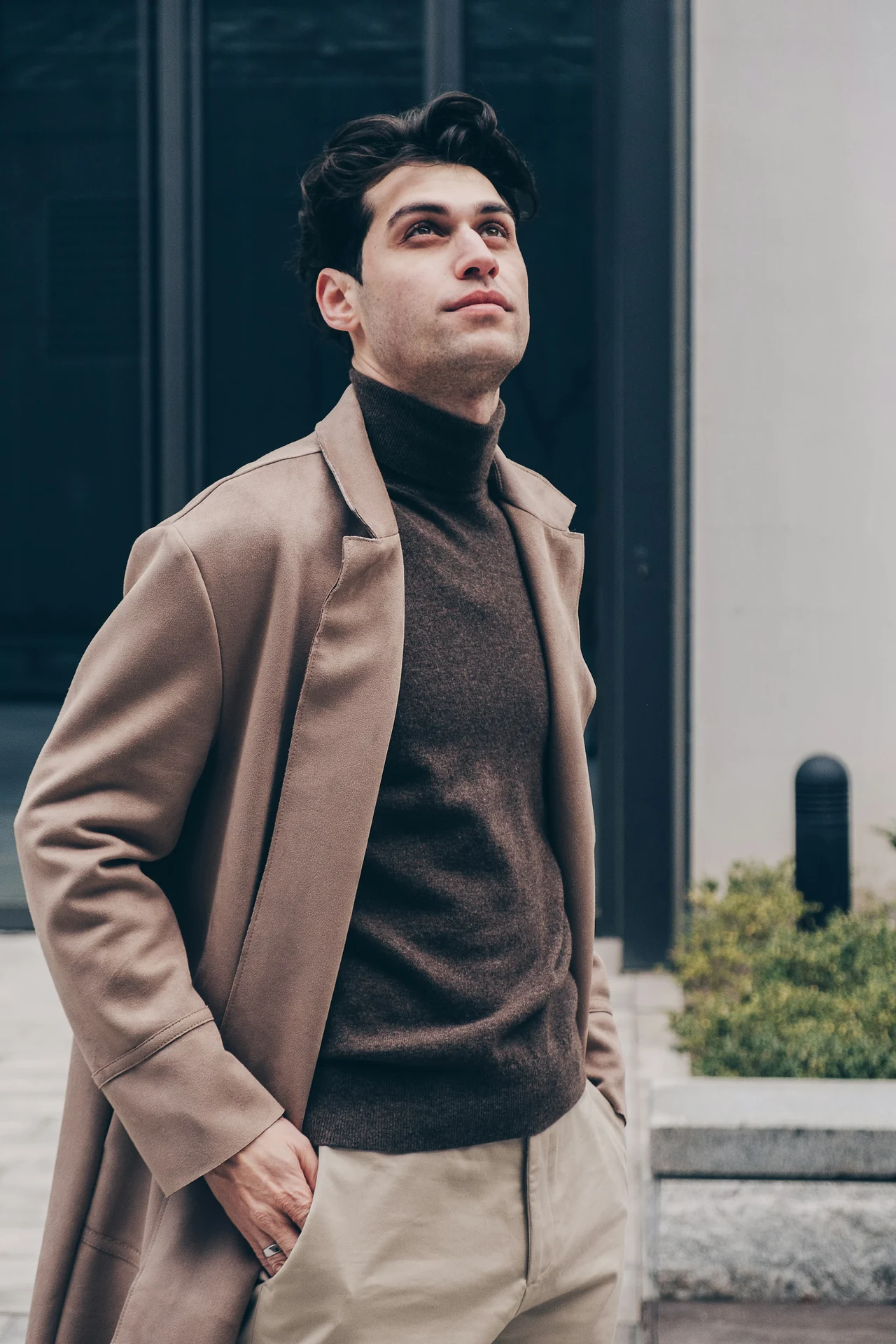
From November to March, your coat is your outfit. People see the coat, the shoes and your face, and the rest of the wardrobe stays zipped inside. A sporty puffer over wool trousers caps everything at casual, no matter how good the trousers are.
One single-breasted overcoat, knee length, at least 70 percent wool, in charcoal or navy. It works over a suit, a knit and a hoodie, which is why it earns a place over a second jacket.
10. A Signature Scent Is the Cheapest Part of Being Remembered
Fragrance changes how a room receives you before it finishes reading your shirt. Two bottles cover the week: something fresh for daytime, something warm for evenings.
That is a wardrobe question, not a shopping question, and the two-bottle structure is set out in how to build a solid fragrance wardrobe. One spray on the chest, one on the neck, and stop there. Buying ten bottles and wearing none of them is the most common version of this mistake.
The Order to Fix Them In
Ten items is a year of buying, not a weekend. If you fix three things this quarter, do these, in this order.
- Leather shoes and a matching belt. They appear in the most scenarios and they are the first thing anybody notices.
- Dark trousers in navy or charcoal. One purchase, worn twice a week, that replaces half your outfits.
- A merino knit. It costs less than a jacket and it upgrades every shirt and coat you already own.
The rules that make these pieces work together are worth twenty minutes. See the 10 style rules that make simple clothes look sharp.
Questions I Get About Wardrobe Essentials
How is this different from a capsule wardrobe list?
A capsule wardrobe answers how many. This list answers why each piece is irreplaceable and what breaks when it is missing. Use the capsule count to plan the closet, and this list to set the order.
Do I need all ten before my clothes work?
No. Shoes, dark trousers and a knit cover most of it. Three items and a pile of plain T-shirts beat a full closet of patterned shirts. The patterned shirts have nothing to sit on.
What if I only have $200 to spend this month?
Buy the belt and one pair of dark trousers first, then wait. Shoes are the highest-value purchase on this list. Save for the leather pair instead of splitting $200 across three cheap items that each need replacing within a year.
Where Most Men Get the Order Wrong
The mistake is buying outward from the outfit instead of upward from the shoes. A jacket over bad footwear still reads as bad, while clean leather shoes with a plain knit and dark trousers reads as intent.
The second mistake is deferring maintenance. Essentials die in the closet rather than on the rack, so the cleaner and the tailor are part of owning them.
Leave a comment
Thanks — your comment is in the queue and will appear once it has been read.