

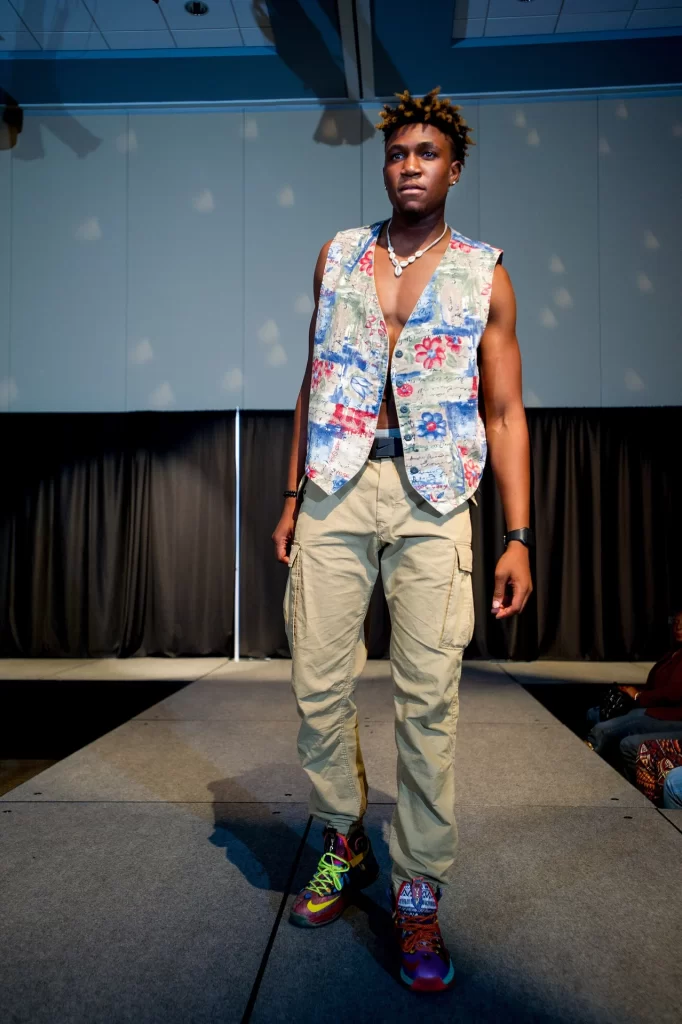
How to Dress for Your Body Type: A Practical Guide for Men
The single most important rule in men’s style isn’t about brands, trends, or budget — it’s fit. A $30 shirt that fits perfectly looks better than a $300 shirt that doesn’t. And fit depends entirely on your body type. Here’s the system: identify your body type with 3 measurements, learn the fit rules and silhouette principles for your type, and master the 5 fit check points that apply to every garment you own.
If you’ve recently lost weight, gained muscle, or never paid attention to clothes, this guide will save you years of trial and error. The community consensus on r/malefashionadvice is clear: fit beats everything.
Step 1: Identify Your Body Type
Forget the “endomorph/mesomorph/ectomorph” framework — it’s pseudoscience that doesn’t help with clothing. Instead, use these three measurements to determine your body type for clothing purposes.
| Measurement | How to take it | What it tells you |
|---|---|---|
| Shoulder width | Measure across the back from shoulder bone to shoulder bone | Determines jacket and shirt size base |
| Chest vs. waist ratio | Measure chest at fullest point and waist at navel | Determines body type category below |
| Inseam vs. height | Measure from crotch to ankle bone | Determines pants length and rise |
The 4 Body Types (for Clothing)
| Type | Characteristics | Style goal |
|---|---|---|
| Athletic / V-taper | Broad shoulders, developed chest, narrower waist (chest-waist difference > 8″) | Show the V; avoid boxy cuts that hide it |
| Slim / straight | Narrow shoulders and waist, similar chest-waist measurement (< 4″ difference) | Add visual bulk with layering and textures |
| Broad / solid | Wide shoulders and waist, thick torso, stocky build | Streamline with vertical lines, structured shoulders |
| Tall / lean | 6’2″+, low body weight, long limbs | Add horizontal elements and weight to balance height |

Fit Rules by Body Type
Athletic / V-Taper
Your challenge: most off-the-rack shirts fit your shoulders but tent out at the waist. You need “athletic fit” or tailored garments.
| Garment | Rule |
|---|---|
| Shirts | Athletic-fit or slim-fit with stretch. If it fits the shoulders but is loose at the waist, get it tailored ($15-20). |
| Jackets | Structured shoulder, nipped waist. Avoid double-breasted — it adds bulk to the chest. |
| Pants | Slim-straight or tapered. Avoid skinny — it exaggerates the V by making legs look thin. |
| Colors | Solid colors and vertical textures. Avoid horizontal stripes across the chest. |
Slim / Straight
Your challenge: clothes can look like they’re wearing you. You need to add visual weight.
| Garment | Rule |
|---|---|
| Shirts | Slim-fit (not skinny). Textured fabrics (Oxford, flannel, chambray) add visual bulk. |
| Jackets | Layering is your best tool. Bomber jackets, overshirts, and structured blazers add shoulders. |
| Pants | Slim-straight. Avoid too-tapered — it makes you look thinner. Slight break at the shoe. |
| Colors | Lighter colors and horizontal patterns add visual width. Layering different shades creates depth. |
Broad / Solid
Your challenge: clothes that are too big make you look bigger, not smaller. You need structure.
| Garment | Rule |
|---|---|
| Shirts | Regular-fit, not slim (too tight = sausage casing). Structured shoulders. Darker colors on top. |
| Jackets | Single-breasted, 2-button. Structured shoulder line. Avoid anything boxy or double-breasted. |
| Pants | Straight or slightly tapered. Mid-rise — low-rise creates a belly. Same color as shoes for a vertical line. |
| Colors | Monochrome (same color top and bottom) creates a single vertical line. Avoid contrasting belts. |
Tall / Lean
Your challenge: clothes often run short on sleeves and legs. You need to add horizontal weight.
| Garment | Rule |
|---|---|
| Shirts | Tall-fit sizes. Horizontal stripes are your friend. Untucked shirts with a structured hemline break up height. |
| Jackets | Cropped or waist-length jackets break up the vertical line. Belted or structured styles work well. |
| Pants | Straight or slightly wide. Cuffs at the ankle add horizontal weight. Avoid too-skinny. |
| Colors | Contrasting top and bottom breaks the vertical line. Lighter pants + darker top, or vice versa. |
Body type gets you into the right cut, but most men stall one step earlier: our guide to slim, regular and relaxed fit covers what each cut does to a frame before you spend anything.
The 5 Fit Check Points
Regardless of body type, every garment must pass these 5 checks. This is the r/malefashionadvice standard, adapted from years of fit critiques.
1. Shoulder seam
The shoulder seam of a shirt or jacket should sit exactly on the edge of your shoulder bone. If it’s hanging past the shoulder, the garment is too big. If it’s up on the shoulder, it’s too small. This is the #1 fit indicator — a shirt can fit everywhere else perfectly, but if the shoulders are wrong, nothing looks right.
2. Collar
For button-up shirts: the collar should sit flush against the back of your neck with room for one finger between collar and neck. For t-shirts: the collar band should lie flat without gaping or rolling.
3. Chest
No pulling at the button holes (too tight) and no billowing fabric (too loose). You should be able to fit a flat hand between the shirt and your chest without resistance.
4. Sleeve length
Shirt cuffs should end at the base of your thumb (where thumb meets wrist) when arms are relaxed. Jacket sleeves should show 1/4 to 1/2 inch of shirt cuff.
5. Jacket/suit length
A jacket should cover your buttocks — the hem should fall at mid-crotch to knuckle level when arms are relaxed at your sides. Too short and it looks juvenile; too long and it shortens your legs.
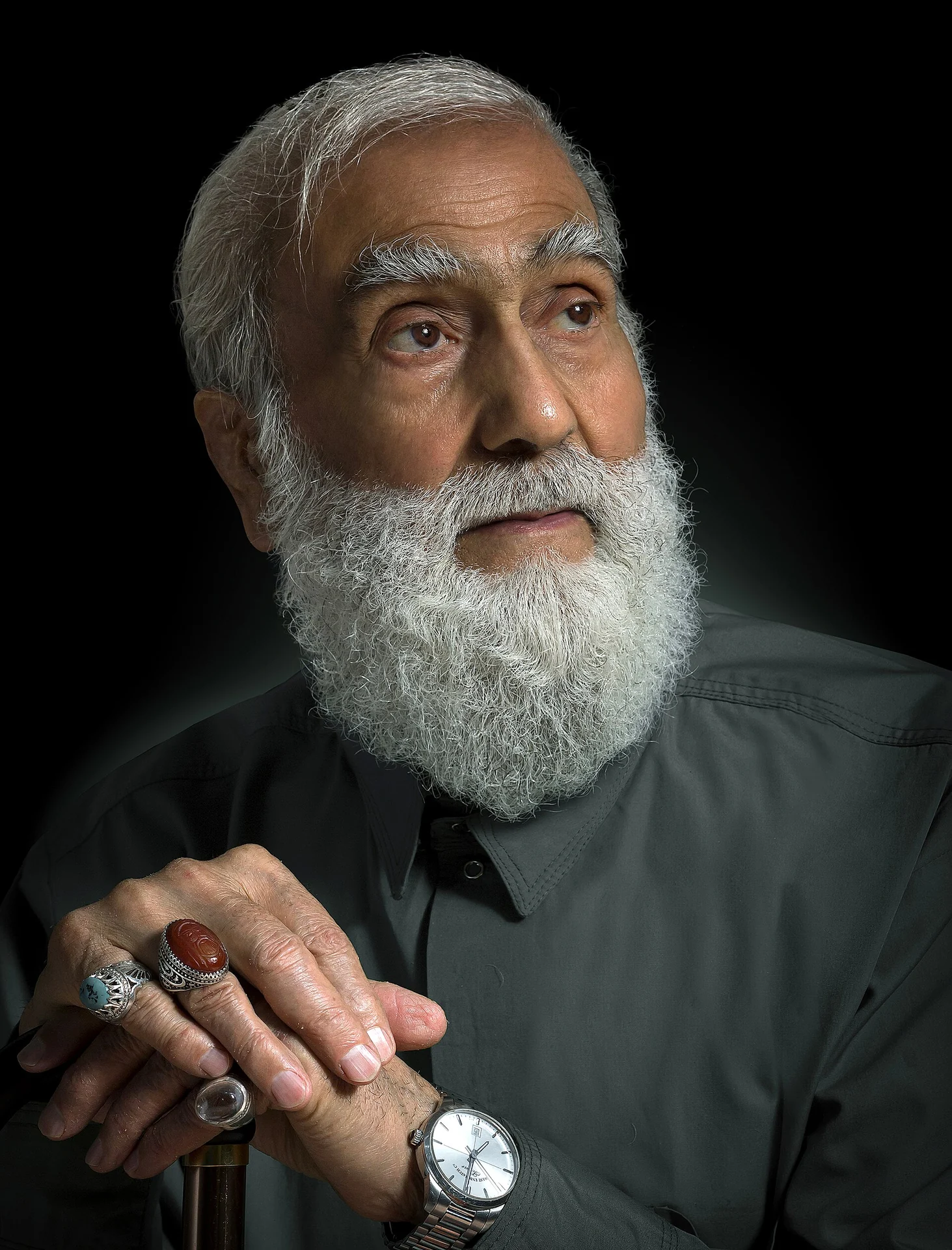
One garment gets the fit wrong more often than any other. We sorted out the specs that decide it in our white t-shirt buying guide: fabric weight first, collar second.
Quiet Luxury on a Budget
The “quiet luxury” trend — minimalist, high-quality, no logos — works for every body type and can be achieved without designer prices. One Redditor who lost 100 lb posted asking for help rebuilding his wardrobe from scratch; the community’s advice distilled to four principles.
- Fit over brand. A well-tailored $25 t-shirt beats a $200 designer tee that doesn’t fit. Spend your money on tailoring, not logos.
- Neutral color palette. Navy, grey, olive, cream, burgundy. These colors work on every body type and mix-and-match freely.
- No visible logos. The clothing should speak through fit and fabric, not branding. A small logo on a polo is fine; a giant one across the chest is not.
- Quality fabric over quantity. Fewer, better-made pieces. Look for: Oxford cotton (200+ thread count), merino wool, selvedge denim, full-grain leather. These age well and look better with time.
If you would rather fix the whole closet than one garment, start from the ten pieces that do the most work in our wardrobe essentials breakdown.
Common Mistakes to Avoid
Wearing oversized clothes to hide your body
This backfires. Large clothes make you look bigger (if you’re broad) or like you’re swimming in fabric (if you’re slim). Fitted — not tight, fitted — clothing always looks better, regardless of body type.
Buying before trying on
Sizing varies wildly between brands. A medium in one brand is a small in another. Always try on before buying — or buy from retailers with free returns.
One style for all occasions
One Redditor on r/malefashionadvice lost 100 lb and asked, “What do I wear now?” He needed a full rebuild — but most guys don’t. Start with: 2 t-shirts, 2 button-ups, 1 pair of jeans, 1 pair of chinos, 1 jacket, 1 pair of versatile sneakers. That’s enough for most situations.
Ignoring tailoring
A $15 tailoring job on a $30 shirt gives you a $200-looking fit. Tailoring is the secret weapon of well-dressed men — and most never use it. Find a local tailor, bring your best-fitting shirt, and ask them to replicate the fit on others.
Frequently Asked Questions
How do I dress if I recently lost a lot of weight?
Don’t rush to buy a whole new wardrobe. Start with the basics: 2 fitted t-shirts, 1 pair of jeans that fit, 1 button-up. Wear these for 2-3 weeks to get used to how fitted clothing feels. Then add more. The transition from oversized to fitted clothing takes mental adjustment, not just financial.
What if I’m between sizes?
Always size up and tailor down. It’s easier to take in fabric than to add it. A shirt that’s slightly too big can be tailored for $15-20. A shirt that’s too small can’t be fixed.
How many colors should be in my wardrobe?
Start with 3-4 neutral colors (navy, grey, olive, cream) and 1-2 accent colors (burgundy, mustard, forest green). This gives you mix-and-match flexibility without looking like you’re trying too hard. For a full minimalist wardrobe guide, see our dedicated article.
Should short men wear vertical stripes?
Vertical lines do create a lengthening effect, but the difference is subtle. More impactful for shorter men: wear the same color top and bottom (monochrome), ensure sleeves and pants are the right length (not bunched), and avoid long jackets that shorten the legs. For more, see our style guide.
What’s the most versatile piece of clothing a man can own?
A well-fitting navy blazer. It works over a t-shirt for smart-casual, over a button-up for business, and with jeans or chinos. Get the shoulders right and tailor the waist — it’ll be the most useful single item in your closet.
Fix the Shoulders Before You Buy Anything
Every other fit rule is downstream of the shoulder seam. If that seam hangs past your shoulder bone, no amount of tailoring rescues the shirt; if it sits high on the shoulder, nothing makes it comfortable.
Go to your closet and try on your three most-worn shirts. Check the seam on each one. Anything that fails gets retired, and every future purchase starts with that single measurement.
Related Articles
- How to Dress Better: A Style Guide for Men
- How to Build a Minimalist Wardrobe for Men
- Solid Cologne & Fragrance Wardrobe: Build a Scent System
Photo: Texas A&M University-Commerce Marketing Communications Photography, CC BY 2.0, via Wikimedia Commons
Photo: Shixart1985, CC BY 2.0, via Wikimedia Commons
Photo: @nazanin, CC0, via Wikimedia Commons
This content is for informational purposes only. Style advice is subjective and should be adapted to individual preferences and circumstances.
Leave a comment
Thanks — your comment is in the queue and will appear once it has been read.