

For a side sleeper, the pillow and the mattress have to do opposite jobs. Your pillow has to fill the gap between the mattress surface and your ear, which is roughly the height your shoulder adds when you lie sideways. Your mattress has to let that same shoulder and your hip sink in far enough that your spine stays level from ear to hip. Back sleepers want a thin pillow and a pelvis kept neutral. Side sleepers want a thick pillow and a soft top over a firm core. Get the pillow height wrong and no mattress rescues you.
Evidence tier: T2, based on published specifications only. This site has not tested any mattress or pillow, and nothing below comes from hands-on use. Prices are category ranges, not quotes.
Side Sleeping Breaks the Rule You Learned for Back Sleeping
Most sleep-position advice is written for back sleepers, then applied to everyone, and the mismatch is not small. A back sleeper needs 8 to 10 cm of pillow under the head. A side sleeper needs 10 to 13 cm after compression, because the head has to travel over the shoulder. Firm is right for stomach sleepers and wrong for you, because a firm slab keeps the shoulder on the surface and pushes the neck up and the hip into a hinge.
Measure Two Numbers Before You Look at Any Product
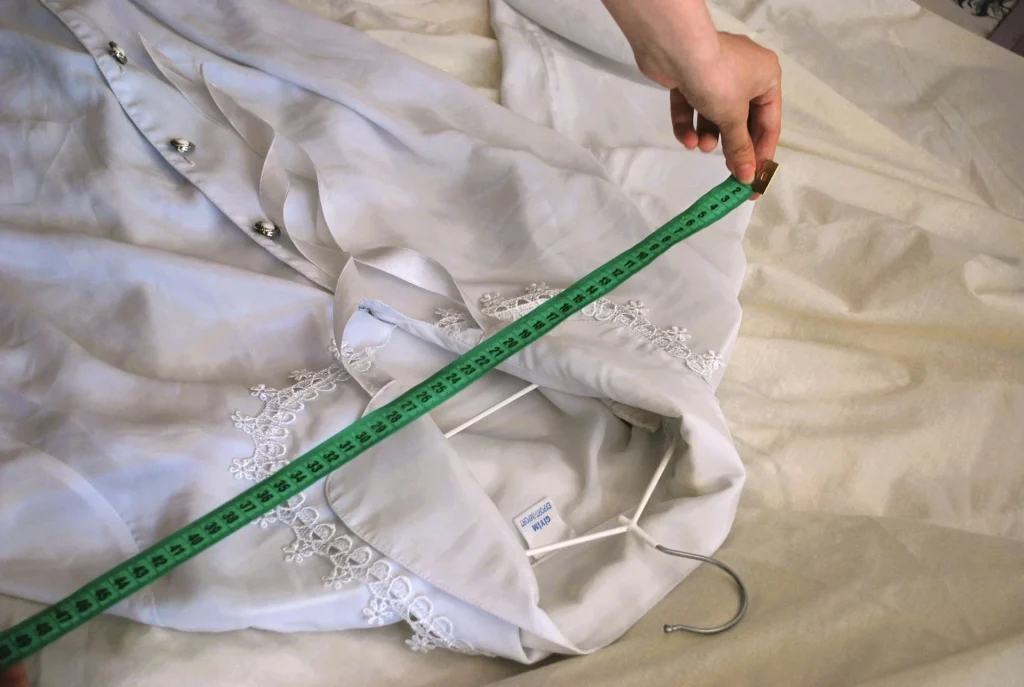
- Shoulder edge to edge. Stand relaxed and have someone run a tape across the widest point of your shoulders at the back. Most adult men land between 44 and 52 cm. That number sets your pillow range before you adjust for the mattress.
- The neck gap, measured lying down. Lie on your side on the mattress you are considering, with no pillow. Have someone photograph you from directly in front, camera at head height about two meters away. In the photo, measure the vertical distance from the mattress surface to the bottom of your ear. That is your required compressed pillow loft.
The neck gap is the number most men never take, and it explains why a friend’s pillow fails for you. A 175 cm man and a 185 cm man can differ by 2 to 3 cm of gap, and a pillow that is 2 cm off is one you will fight all night. Sort out the room at the same time with these sleep hygiene habits that actually change your numbers.

The Position-to-Spec Conversion Table
Mattress feel below uses a 1 to 10 scale where 1 is softest and 10 firmest. That scale is an industry convention, not a standard, so two brands can label the same surface differently.
| Sleep position | Pillow loft after compression | Mattress feel | What the surface has to allow |
|---|---|---|---|
| Side | 10-13 cm | 5-6, soft top over a firmer core | Shoulder and hip sink in; spine level from ear to hip |
| Back | 8-10 cm | 6-7 | Pelvis neutral, lower back supported without a gap |
| Stomach | 5-8 cm or none | 7-8 | Almost no sink, so the lower back does not arch |
| Side and back | 9-11 cm, adjustable fill | 6 | Both contours, which is why removable fill beats a fixed pillow |
That last row settles the most common disagreement in a mattress store. If you start on your side and finish on your back, you want a middle feel and an adjustable pillow, not two separate purchases.
The Loft Arithmetic, Worked for Two Builds
Your measured neck gap is the compressed loft you need. To turn it into a number you can buy, divide by the compression the fill loses under a head. These ratios are working estimates: shredded foam and polyester fiber lose roughly 25 to 35 percent, latex about 15 percent, solid memory foam about 10 percent, down 40 to 50 percent.
Take a 175 cm man with a measured neck gap of 10 cm on a medium hybrid. Shredded foam at 25 percent compression gives 10 divided by 0.75, about 13 cm of buying loft, or roughly 5 inches. Solid memory foam at 10 percent gives 10 divided by 0.9, about 11 cm.
A 185 cm man with a measured gap of 12 cm needs 12 divided by 0.75, so 16 cm, about 6.3 inches. Put him on a softer surface where his shoulder sinks an extra 2 cm and his gap drops to 10 cm, and he is back to the 13 cm pillow.
The compression term is the point. Two men with the same neck gap need pillows two sizes apart if one buys shredded foam and the other solid memory foam, which is why a pillow recommendation without a fill type attached is useless.

How These Six Picks Were Selected
- Shoulder sinks without the hip collapsing
- Comfort layer of 5 to 8 cm
- Support core stays level under load, which prevents a hammock shape
- Published density and lifespan figures for the fill
- Cost per year of service, not the sticker price
The Builds That Fit a Side Sleeper
1. The Zoned Hybrid With a Soft Top: Best All-Round Match
Look for at least 800 pocketed coils in a queen, 5 to 8 cm of memory foam or latex on top, a medium feel, and a firmer center third. The coils let the shoulder sink while the zones stop the hip dropping too far. Downside: a thick foam top runs warmer than a coil-only build, and the soft surface weakens edge support.
2. The All-Latex Medium: Best If You Sleep Hot
A Dunlop core with a Talalay top and no memory foam layer gives you a medium surface that pushes back instead of wrapping, and sleeps cooler than foam. Downside: a latex queen often weighs 45 to 55 kg, so rotating it needs two people, and the surface has almost no contouring hug, which some side sleepers read as shoulder pressure.
3. The Firm Core Plus a Separate Topper: Cheapest Route That Works
A firm polyfoam or innerspring base with a 5 to 8 cm latex or memory-foam topper reproduces the medium-with-a-soft-top profile for a fraction of a hybrid. Downside: a loose topper slides unless it is strapped down, and you will replace it every two to three years while the base lasts eight to ten, so the low entry price carries a running cost.
4. The Adjustable Shredded-Foam Pillow: Best Single Purchase Here
Removable fill is the only design that lets you tune loft to your measured number instead of guessing. Aim for 13 to 16 cm uncompressed so you can remove fill down to a 10 to 13 cm compressed height. Downside: the fill compacts within a few months, so you will re-fluff it weekly and top it up yearly.
5. The Medium-Loft Latex Pillow: Best If You Want Zero Maintenance
An 11 to 13 cm latex pillow holds its loft for about three years without re-fluffing. Downside: it is heavier than foam, and because it barely compresses, an error of 2 cm in your loft estimate becomes pressure you feel all night.
6. The Contoured Pillow With a Shoulder Cut-Out: Best for a Fixed Side Position
A cut-out depth of 8 to 12 cm lets the shoulder sit under the pillow while a raised edge supports the neck. Downside: it locks you into one height and one position, and the cut-out depth rarely matches your measured shoulder drop.

Cost Per Night, Not Sticker Price
Mattress prices for these profiles span roughly $600 for a basic hybrid to $2,500 for all-latex in a queen. These are estimated category ranges for a queen, not quotes, and they move by brand and by season. Divide by service life and the spread narrows. A $600 mattress over nine years is about $67 a year, or under 20 cents a night. A $2,000 latex build over the same nine years runs about $222 a year, near 61 cents a night.
Pillows flip the usual logic. A $40 fiber pillow replaced every year costs $40 a year. A $130 latex pillow lasting three years costs about $43 a year, so the expensive pillow costs roughly the same per night and you spend those nights on latex instead of collapsing fiber. The downgrade route is the firm core plus topper, around $400 for the base and $120 for the topper.

What to Do When a New Setup Does Not Fix Your Morning Pain
Give any new surface three to four weeks. Your muscles adapt to a change in contouring on that timescale, and judging a mattress after two nights tells you nothing. If you are still waking stiff after four weeks, the loft is usually the culprit rather than the mattress, so re-measure the neck gap before you shop again. Pain that tracks your stress levels rather than your bedding is a separate problem, and these practical techniques to reduce stress are the other half of it.
See a clinician rather than another mattress store if you have any of the following.
- Neck or back pain persisting past six weeks on a setup matching your measurements
- Numbness, tingling or weakness running down an arm or into a hand
- Pain that wakes you, rather than stiffness on rising
- Morning headaches with loud snoring, which points at breathing during sleep
Questions to Settle Before You Buy
How firm should a mattress be for a side sleeper?
Medium at the surface with a firmer core. A surface that stays firm all the way up puts pressure on the shoulder. A soft surface with a weak core lets the hip drop and curves the lower back. You want the top 5 to 8 cm to give and everything below that to hold.
Do side sleepers need a knee pillow?
It is the cheapest change on this list. A 10 to 12 cm pillow between the knees stops the top leg from rolling forward and dragging the pelvis with it, which is what produces the lower back ache that people blame on the mattress.
Memory foam or latex for a side sleeper?
Memory foam contours more and sleeps warmer. Latex pushes back more and sleeps cooler. If you wake up hot, go latex. If your shoulder needs the surface to mold around it before pressure eases, go memory foam over a firm core.
How to Tell in One Night
The pillow is the higher-payoff purchase, and your own neck gap is the measurement that decides it.
- Tonight: lie on your side and measure the distance from the mattress surface to your ear.
- Target: an adjustable pillow set to roughly ten to thirteen centimetres of compressed loft.
- Ongoing: if you wake with a numb arm, neck pain, or morning headaches alongside loud snoring, move that to a professional.
Once the hardware fits, the science-backed ways to improve sleep quality are worth adding on top.
This article is informational only and is not medical advice. It compares published specifications and does not report hands-on testing. If you have persistent neck or back pain, numbness or tingling in an arm or hand, pain that wakes you at night, or morning headaches with loud snoring, see a qualified professional.
Leave a comment
Thanks — your comment is in the queue and will appear once it has been read.